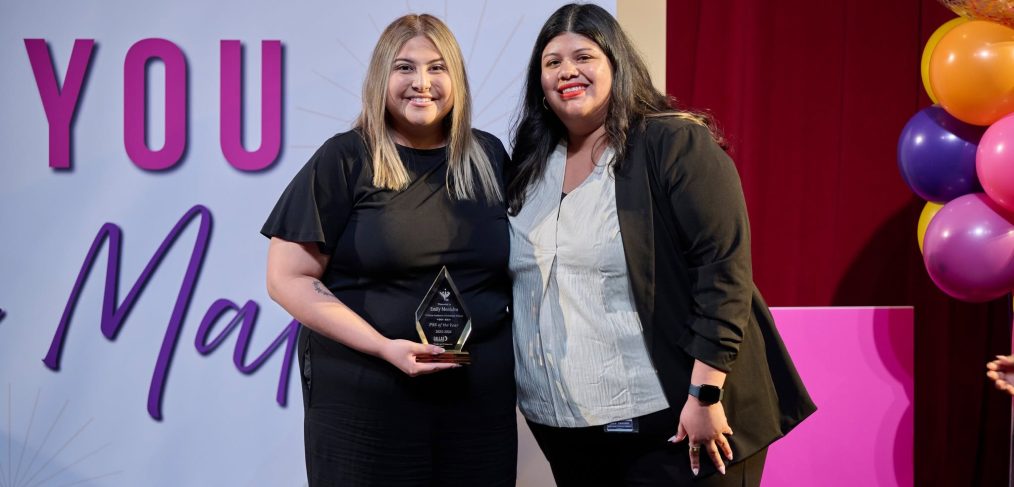
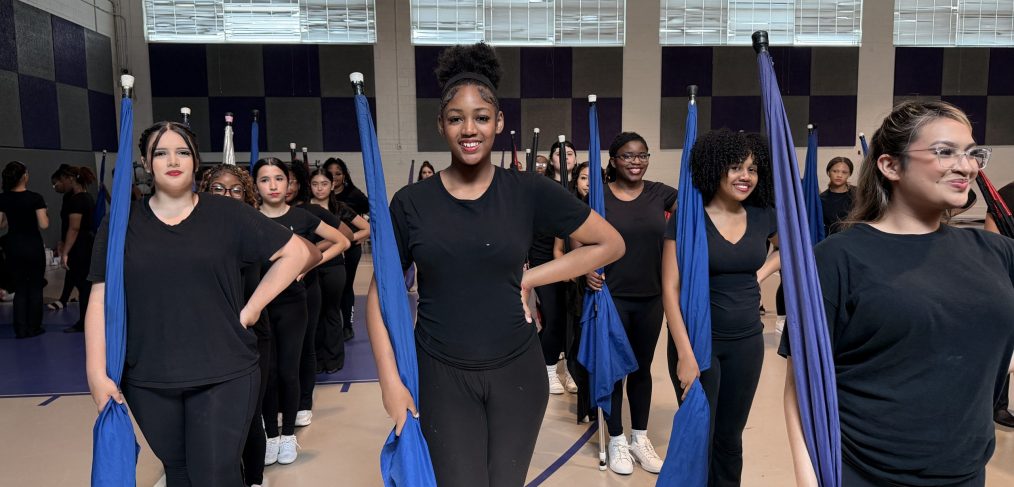
Everyone has heard about band camp, but all the other students who support the band during games have a separate summer camp that allows them to hone their skills and make their schools shine.
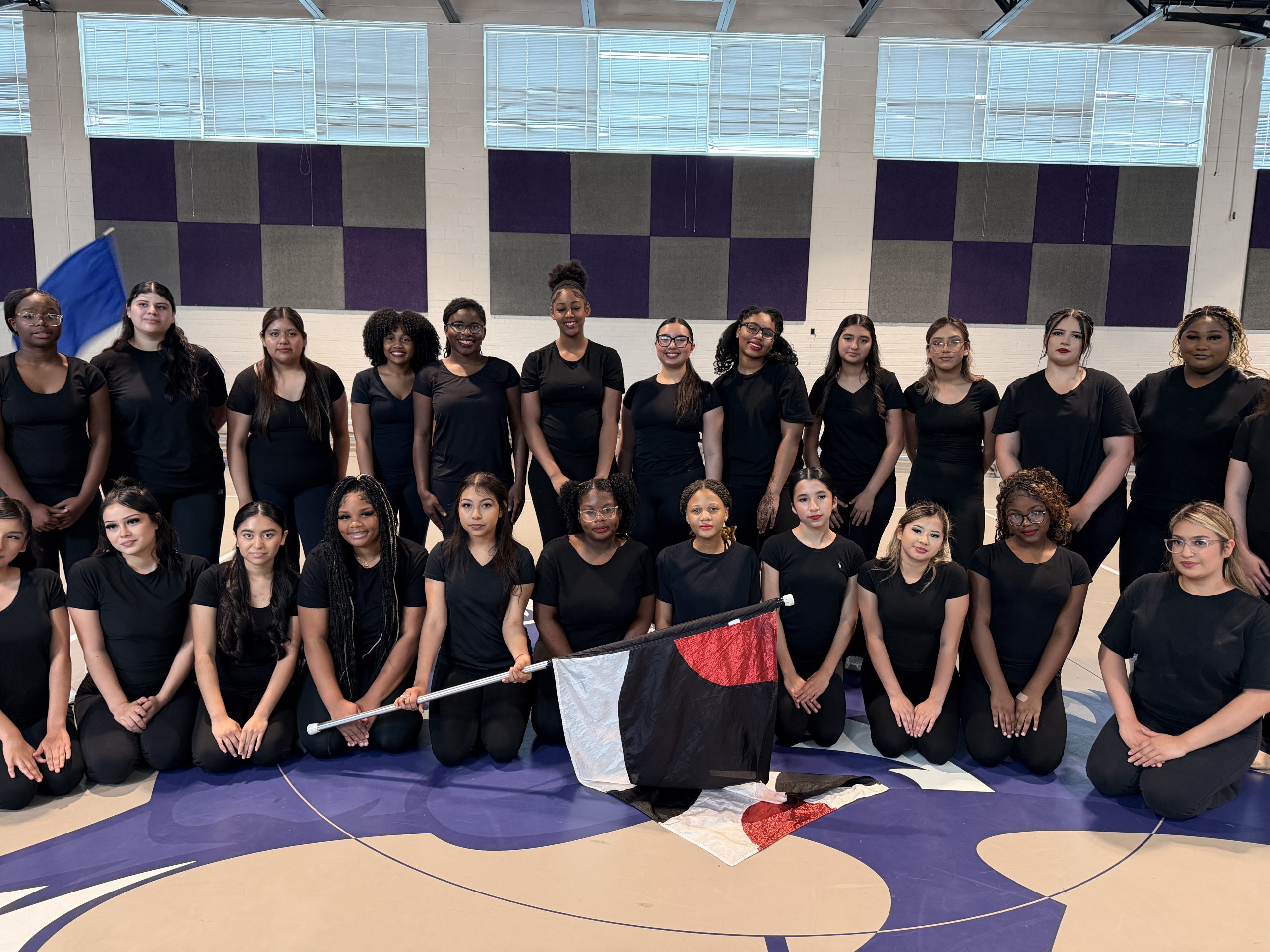
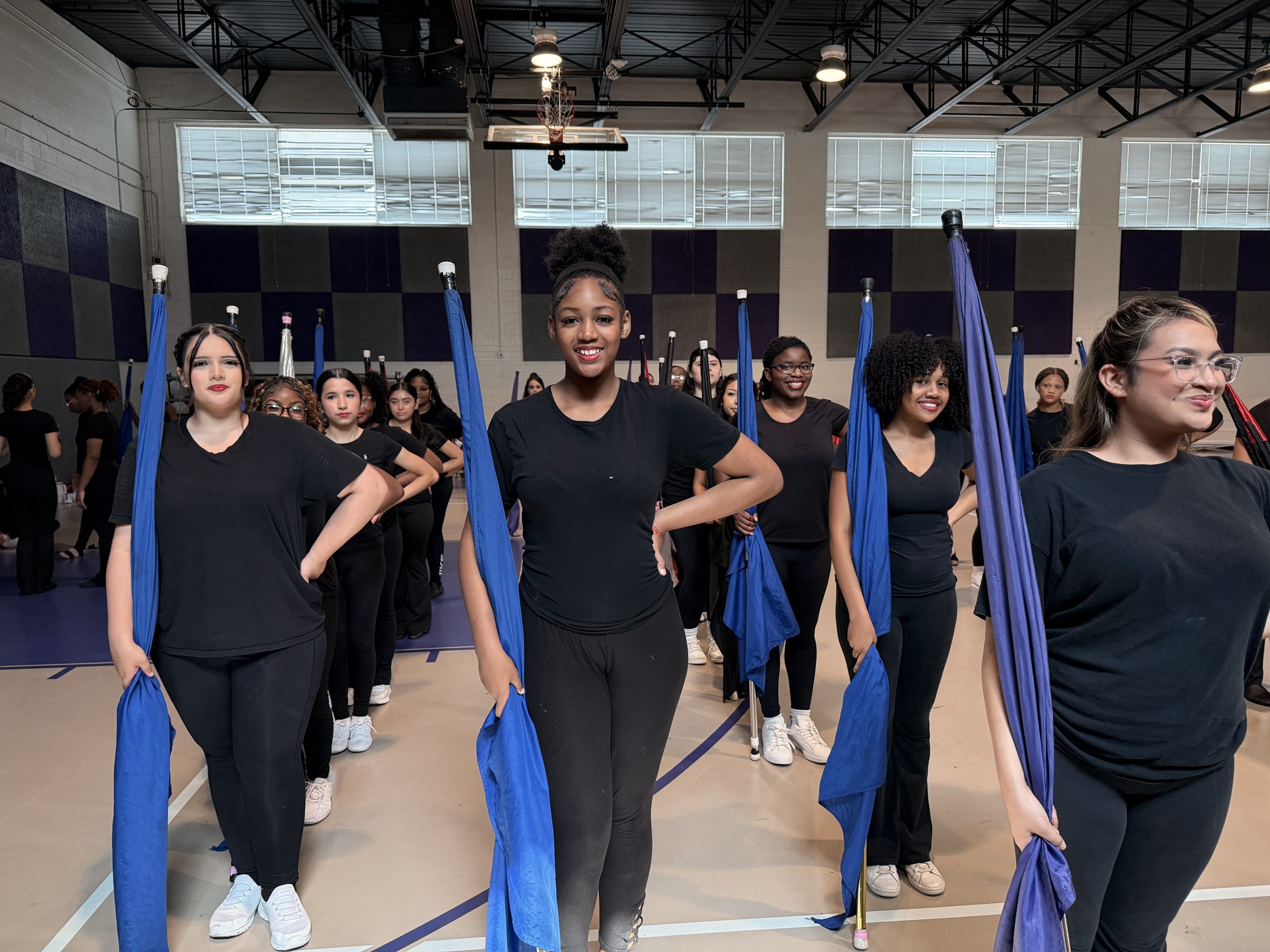
The Auxiliary Skills Camp at Sunset High School this summer brought together majorettes and color guard performers from across Dallas ISD. These are the students who keep a marching band moving visually: the ones tossing batons into the air, spinning flags, and pulling the audience’s eyes across the field. They are also, as many of them admit, the ones who may go unnoticed when the focus turns to instruments and scores.
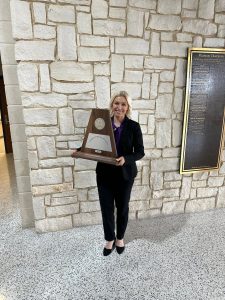 “Sometimes the majorettes and the color guard get overlooked because they are a section in the band, but typically, from a band director’s perspective, the focus is on the musicians,” said Kathryn Scott, director of bands at Sunset High School. “This camp gives them the ability to interact with great counselors who teach them to use their batons or their flags.”
Scott helped launch the camp a few years ago after Sunset opened a new music and athletics wing that could finally accommodate the vision. The first summer drew around 30 students. This year, there are 68 participants representing roughly nine campuses.
According to Scott, a typical day has students working on performance skills, dance, and movement, then they split into smaller groups. Some focus on skills. Others learn how to turn those skills into routines to music with different tempos and styles. They also spend time on team-building so that, by the final showcase, they perform as a unit rather than as a set of strangers in the same outfits.
Scott compares what they do to learning an instrument.
“The way that they actually twirl the flag and perform is all fundamental. It’s just like playing an instrument,” Scott said. “At the end of the day you have to be good. You have to have good fundamentals. This camp just gives the students the ability to build their skills, no matter what style their band marches.”
If Scott is the architect, though, Anniya Willard is proof of concept. Willard graduated from Wilmer-Hutchins High School in 2025 and has returned as an instructor after a season as a Platinum Girl at Texas Southern University.
“It’s honestly a blessing,” Willard said. “When I was in high school, I went to camps like this, and they really helped me improve my skills. Now, I can come back and help those who want to be in a position like me.”
Willard remembers the pressure younger students put on themselves.
“They feel like they have to be perfect as soon as they learn something new,” Willard said. “I try to let them know that dropping your baton is okay. Not getting it on the first time is okay. It’s actually a good thing. It means you’re trying.”
Around the gym, the results are visible. Scott said that students who arrived stiff and quiet were tossing higher, smiling more, cheering for friends from other schools. Scott, who has taught for 15 years still lights up when she talks about what happens when former students like Willard return.
“I imagine future summers with more counselors, more specialized groups, and alumni who step in front of the class already knowing how it feels to stand in the back row of a football field,” she said.
For Scott, the real legacy of Auxiliary Camp will not be this year’s showcase or even next year’s enrollment numbers. It will be the steady line of students who move from nervous beginners to confident leaders, then come back wearing instructor badges.
“What makes Dallas ISD really special is the fact that students graduate from Dallas, go further their education, and then want to come back to coach,” she said.
The hope is that campuses that do not yet have majorette or color guard programs will see this model and build their own.
“It’s amazing to see it grow,” Scott said. “We want to continue to have more schools participate, just to build that camaraderie and those connections with the students.”
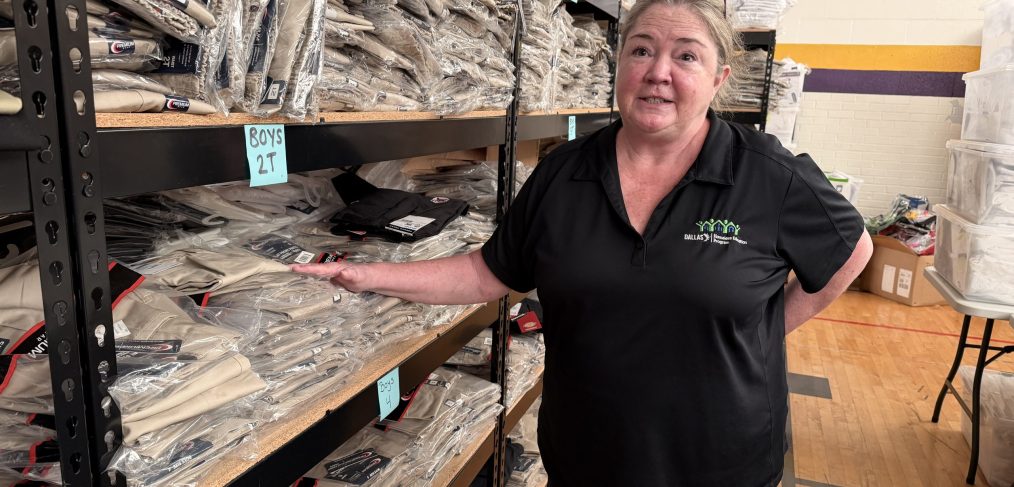
 At the high school level, the program’s presence is often felt in more subtle ways. Drop‑in centers on campuses offer hygiene items, emergency snacks, and a place to vent. Guest speakers explain how to manage money or navigate college applications. Mentors meet with students who might not even use the word “homeless” to describe their living situation, especially those “sofa surfing” with friends after parents have been deported or pushed out of housing.
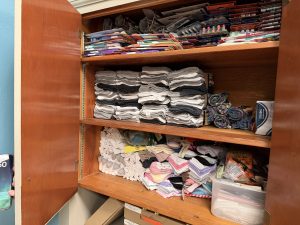 Stories like that keep the team moving, even when the work spills into nights and weekends, or their personal time, like when a call came in as Marshall was about to board a ship overseas.. It also shapes how she wants the public to see the students she serves.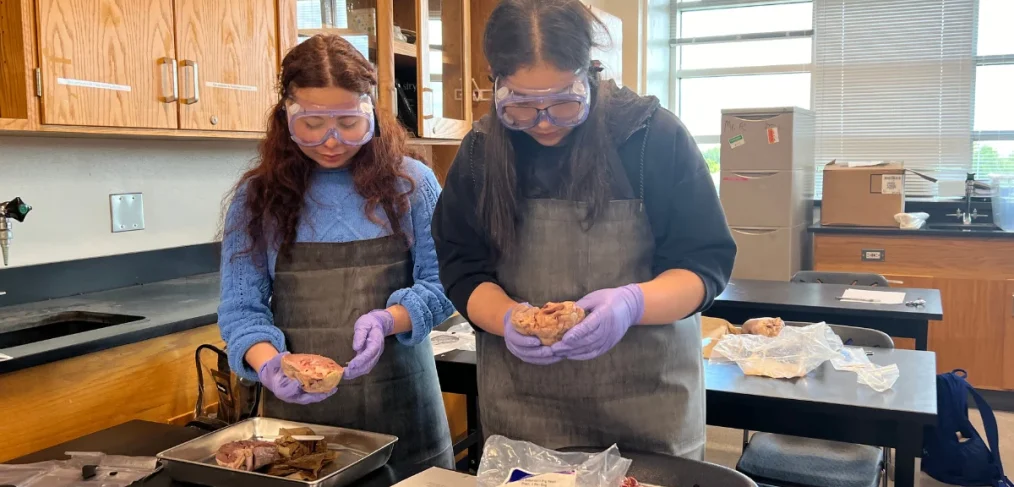
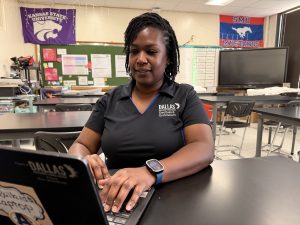 over a pig’s heart, sliding gloved fingers inside to see how blood once moved through it. These teen prospective doctors gathered at Hillcrest High School and South Oak Cliff high schools this summer for a practical look into the medical field.
 “The schools that showed the most success,” Daffern explained, “were the ones that had someone who was taking charge and organizing things.”
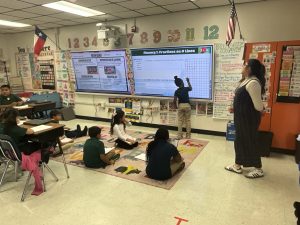 That emphasis on patterns is intentional. Without it, Daffern worries students are just “randomly memorizing things that have no context.” With it, they gain mental shortcuts that free their brains to handle richer problem-solving.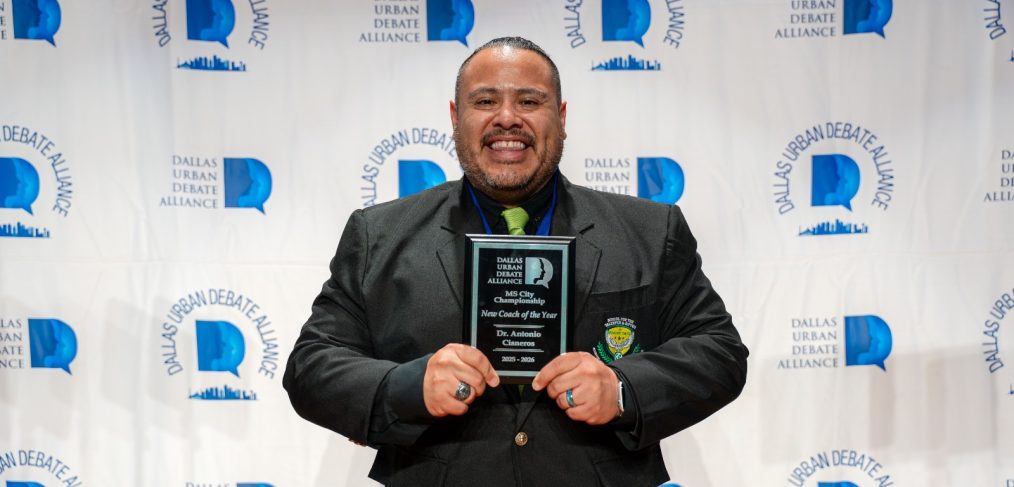
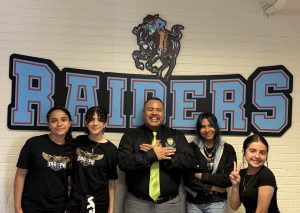 He received training and mentorship from Evan Gilbert of the Dallas Urban Debate Alliance, learned the mechanics, and then started experimenting. He recruited students, looking for three things: analysis, argument writing, and delivery.
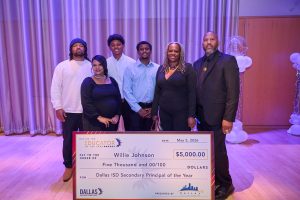
 “When creating an ideal environment for students, we know that every student is different,” Johnson said. “Extracurricular activities provide another layer of mentorship and guidance. These programs are about building relationships and helping students commit to excellence. Strong academics become a natural byproduct because students have multiple layers of people holding them accountable.”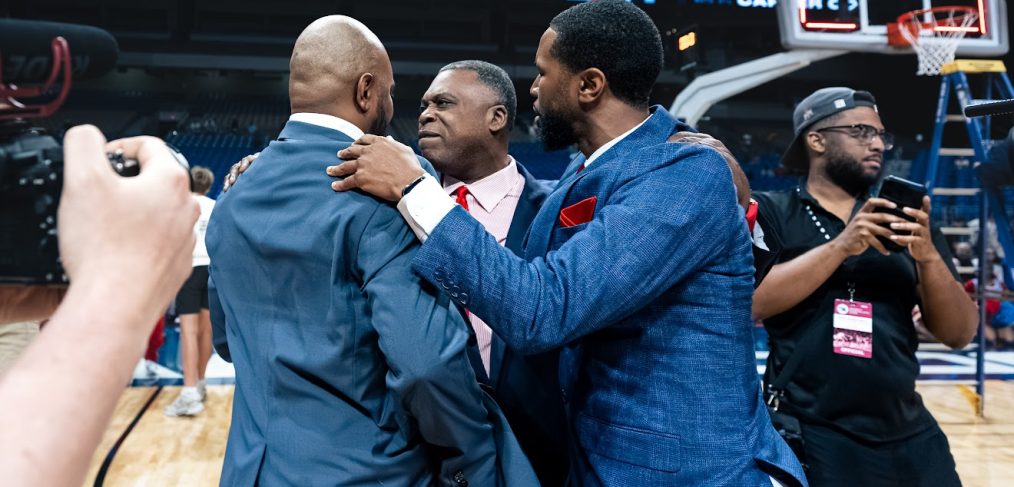
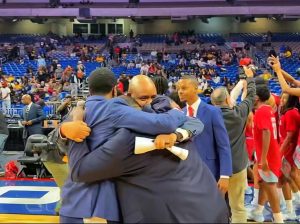
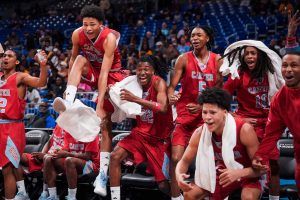 The shot shifted the game in Carter’s favor as the Cowboys took the lead, sparking a run that secured them the game and moved them one step closer to the school’s first state championship.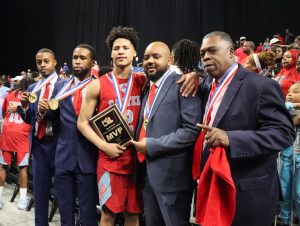

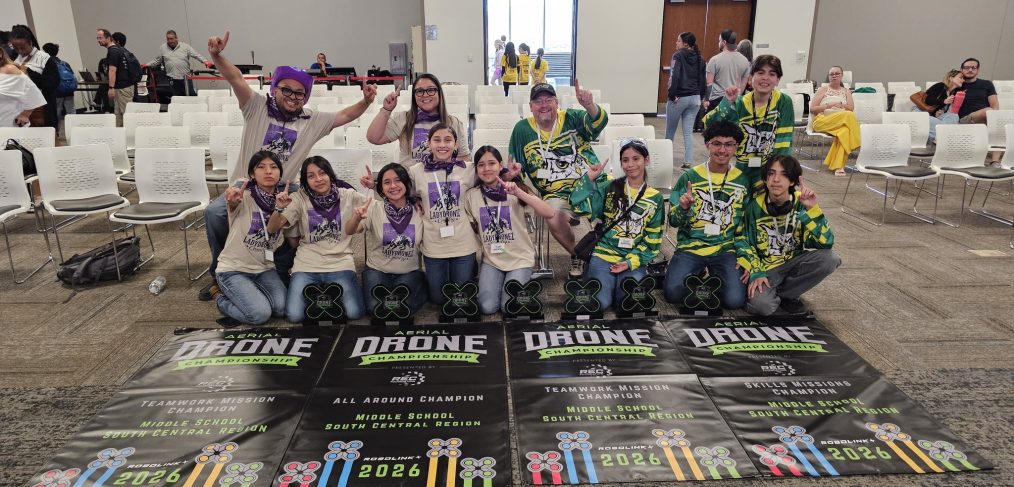
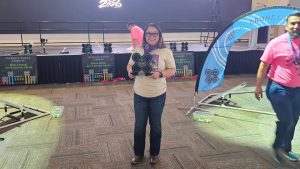 “They said, ‘If this is all about learning, then you can learn with us. Let’s do it together,’” Cortez said. “That stopped me. They weren’t asking for an easy path. They were asking for a chance.”
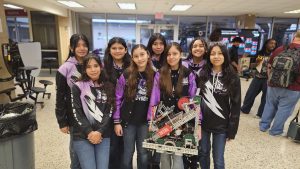 For Cortez, the awards matter less than what happens in the classroom and practice space. She talks about students bent over laptops, adjusting code line by line, or nudging drones into precise positions so a program will run correctly in a gym full of air vents and moving people.