Connecting students with nature
Mr. Gobbles used to waddle in line with the kids. The big white turkey would spot a cell phone, tilt his head just so, and pose for photos like he knew exactly what a selfie was. He followed classes around the Environmental Education Center grounds, a feathered celebrity among Dallas ISD students.
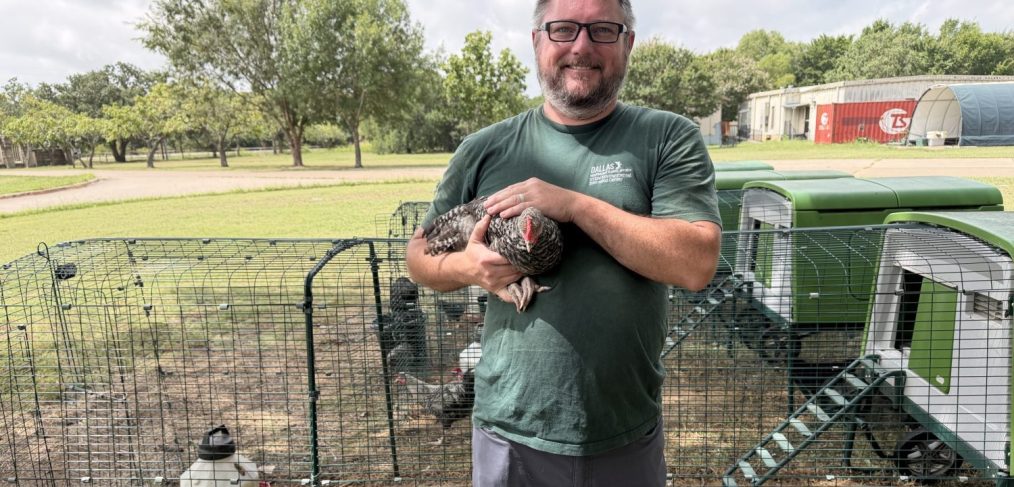
 Mr. Gobbles is gone now, but his story says a lot about the place Mark Broughton, director of the Environmental Education Center, runs. Animals here are not merely props; they are residents whose lives are interwoven into the daily life of the center and the educational experiences of thousands of district students who visit each year.
Broughton, who grew up in northern Minnesota, started his career with the district as a first-grade teacher at Maple Lawn Elementary School. Later, as a science coach in the district, he organized student field trips to the Environmental Education Center long before he worked there. When the previous director retired in 2016, he saw a chance to turn a place he already loved into his full-time job.
Ending up at the EEC was almost fated because his childhood was defined by long days in the woods behind his house and summers on his grandparents’ farm.
“My backyard was a forest, like what we have here,” he said. “I always have liked being outside and working with animals.”
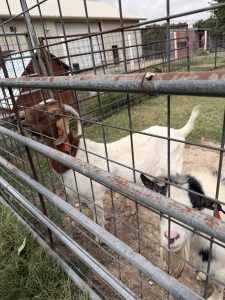
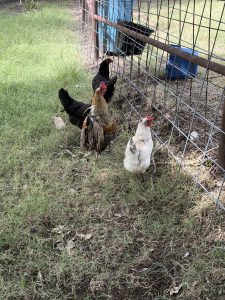
Now, his days start early, especially in the summer. He walks the grounds, checks on the animals, and tries to finish the outdoor work before the Texas heat settles in. There are cows and a donkey in the pasture, goats that come running when they hear kids along the fence, chickens with complicated social lives, a few ducks that have claimed their small pond, and a rotating cast of classroom animals like snakes, turtles, rabbits, and chinchillas.
“We have a small staff and a lot of animals, so animal care is a challenge,” Broughton said. “Someone has to be here every day.”
That was especially true during the 2021 winter storm. The district was shut down, roads were icy, and the water troughs froze solid.
“All I could think to do was boil pots of water in one of the classrooms, then walk out and dump it on the ice,” he said. The hot water melted just enough that the goats and cows could drink before it froze again. “Those cows were standing by that trough pretty much the whole week. They almost never left because they were always thirsty. At least I kept them alive.”
 This kind of work demands more than just feeding and watering. The center has grown its herd, expanded the goat corral, added a nature play area for younger children, and planted an orchard with dozens of fruit trees. Broughton still rattles off the varieties almost by habit, from pears and peaches to pomegranates and mulberries.
Broughton is equally focused on people. When Dallas ISD buses pull up, he tries to be at the front to greet students and teachers. During the school year, the center hosts around 20,000 students. Broughton said many are “city kids” who have never fed a goat, walked a forest trail, or stood in a quiet place without traffic noise.
“A lot of kids, when they first get here, do not like being outside because they’re just not used to it,” Broughton said. “Once they see how pretty the forest is during a hike, or how fun it is to feed the goats, they hopefully learn to appreciate nature and develop a love for nature, so they take care of it when they get older.”
He is proud that the center serves all students. Trails are accessible for wheelchairs, and his team designs programs specifically for classes in special education and for autistic students. He is now pushing for an accessible trail marker system in the Post Oak Preserve so blind and low-vision visitors can navigate the paths independently using a phone app.
“We’ve never said no to anybody who wants to come out here,” he said.
Broughton talks about attendance numbers and outreach totals because he’s a data-minded educator, but when he walks past the chickens arguing over a feeder or a shy goat hanging back from the crowd, the reason he stays late and comes in on holidays is obvious.
“We try to let them live their best life out here,” he said of the animals. He wants the same for the students who visit, even if they only get one day.
“We want to give these kids the best experience when they come out here,” Broughton said. “They only get to come for one day for their field trips. We want it to be a good day for them.”