Shedding light on homeless students’ needs
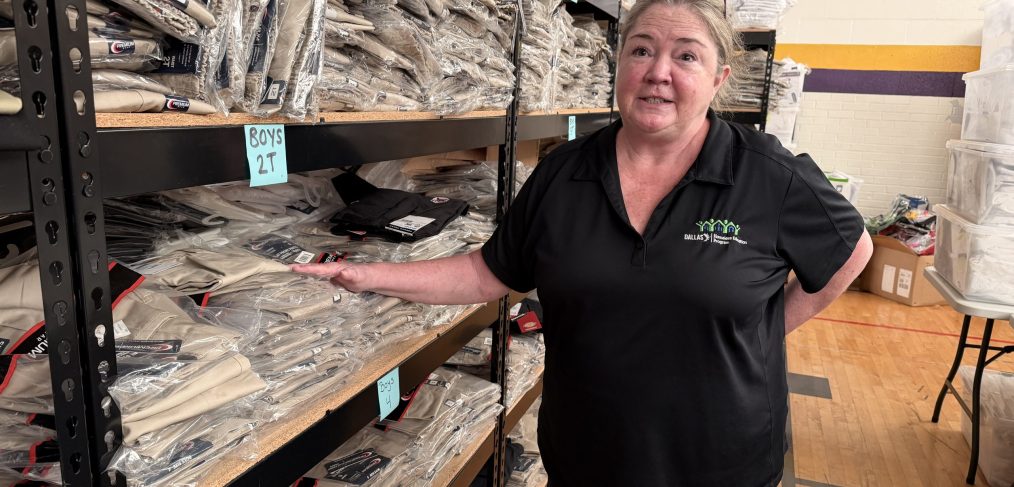
Ashley Marshall, manager of the Homeless Education Program, has worked more than two decades in Dallas ISD, but she still sounds a little astonished when she describes the scale of the work in front of her. Last year alone, the team of four supported 4,534 students identified as homeless.
Unlike the adult homeless population, many of these children are not living in tents or on sidewalks. They are squeezed into spare bedrooms, couches, and floors.
“They are considered homeless because they’re doubled up, more than one family living together,” Marshall explained. “If I lost my home and moved in with my sister and brought my kids with me, those kids would be considered homeless, because you’d obviously live on your own if you could.”
For many families, low-cost hotels and motels have become the only option. It is not uncommon for some parents to work several jobs to afford housing deposits or utility bills, but even those efforts can feel precarious at times, she said. Marshall pointed out that a single crisis can erase years of slow progress, such as the recent apartment explosion in the Oak Cliff neighborhood of Dallas that left dozens of tenants suddenly with no home, no belongings, and no clear next step.
The federal law that guides her work focuses on getting students enrolled in school and maintaining retention rates. Since program funding does not cover basic living arrangements for students, the team has learned to stretch what it can do and to rely on the generosity of strangers.
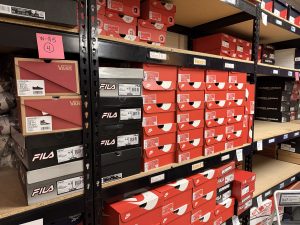
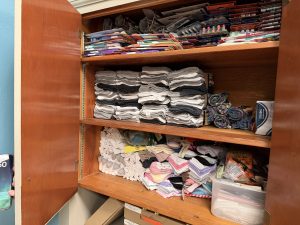
“We can’t use our money for food or hygiene, but we’re lucky that we have donors,” Marshall said. One donor sent 3,000 pairs of new sneakers. Another shipped 30,000 pairs of children’s underwear. Shelves fill and empty constantly as students pick up what they need to get through the day with some dignity, Marshall said.
 At the high school level, the program’s presence is often felt in more subtle ways. Drop‑in centers on campuses offer hygiene items, emergency snacks, and a place to vent. Guest speakers explain how to manage money or navigate college applications. Mentors meet with students who might not even use the word “homeless” to describe their living situation, especially those “sofa surfing” with friends after parents have been deported or pushed out of housing.
Sometimes the help is as simple and specific as a bus pass.
Marshall remembers a student who called before summer break, proud of a new paid internship at a nonprofit but worried about getting there. The girl asked for two weeks of DART passes and promised to cover the rest once her paychecks started.
“It broke my heart,” Marshall said. “When I first started babysitting, I used my money for cassette tapes for my Walkman. She was going to use her money so she could keep going to work.”
 Stories like that keep the team moving, even when the work spills into nights and weekends, or their personal time, like when a call came in as Marshall was about to board a ship overseas.. It also shapes how she wants the public to see the students she serves.
“We have kids in International Baccalaureate programs, AP classes, and early college classes. Just because they’re homeless, that doesn’t mean that are not achieving. Being homeless wasn’t their choice,” she said.
For Marshall, the most powerful help often starts inside each campus. She wants schools to see their own families clearly and build support close to home.
“We would love for every school to have a food pantry,” she said. “Not every homeless student is hungry, and not every student who is hungry is homeless.”
When campuses call to offer a drive for her department, she often pushes back gently, asking them instead to look down their own hallways. Her team now shares “pack the pantry” starter kits and encourages staff to set up Amazon wishlists tailored to their students’ needs.
Awareness, she said, is as important as supplies. Marshall dreams of speaking at every faculty meeting in the district, especially because so many staff still have no idea the Homeless Education Program exists. Custodians, bus drivers, food service workers, office staff—all of them may be the first adults to notice a student quietly asking for extra food or mentioning they slept on a floor.
“The more people that know we’re here, the more eyes we have looking out for kids,” Marshall said. “If you don’t know, you don’t know how you can help.”
Marshall’s sense of responsibility spans beyond official boundaries. Her office has taken calls from grandparents who picked up a Homeless Education Program bookmark from the public library, from a student in Las Vegas planning a move back to Dallas, even from other districts. If they can help directly, they do. If not, they connect callers to colleagues in other systems.
Marshall is clear about how she wants to be remembered. She doesn’t talk about titles or awards, even though the superintendent recently recognized her as a “behind‑the‑scenes hero.” She talks about being useful.
“I think ‘helper’ is what I’d want to be described as,” she said. “Someone who was there for students, families, staff, anybody who needed us.”