Cultivating stewardship through outdoor learning
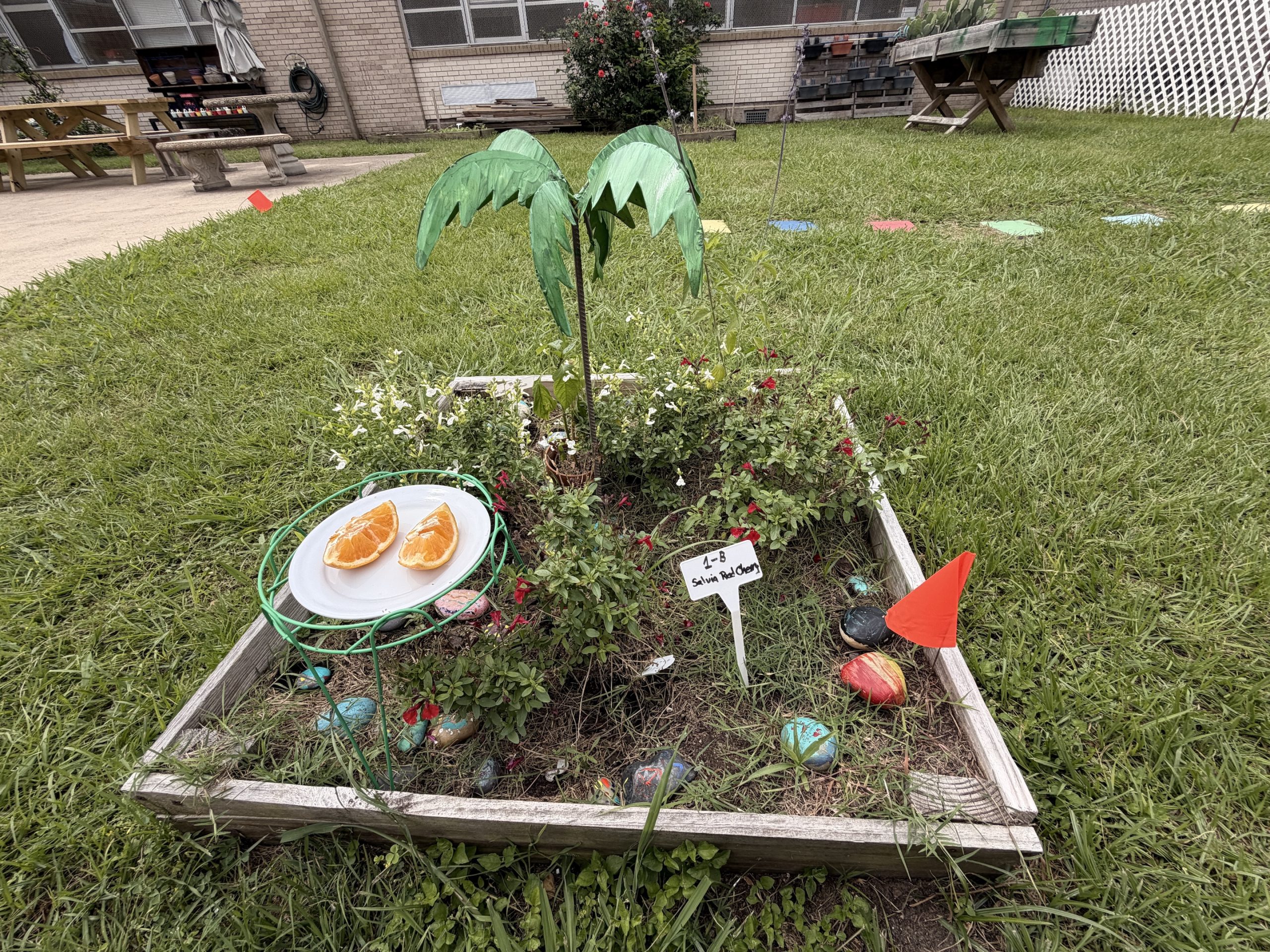
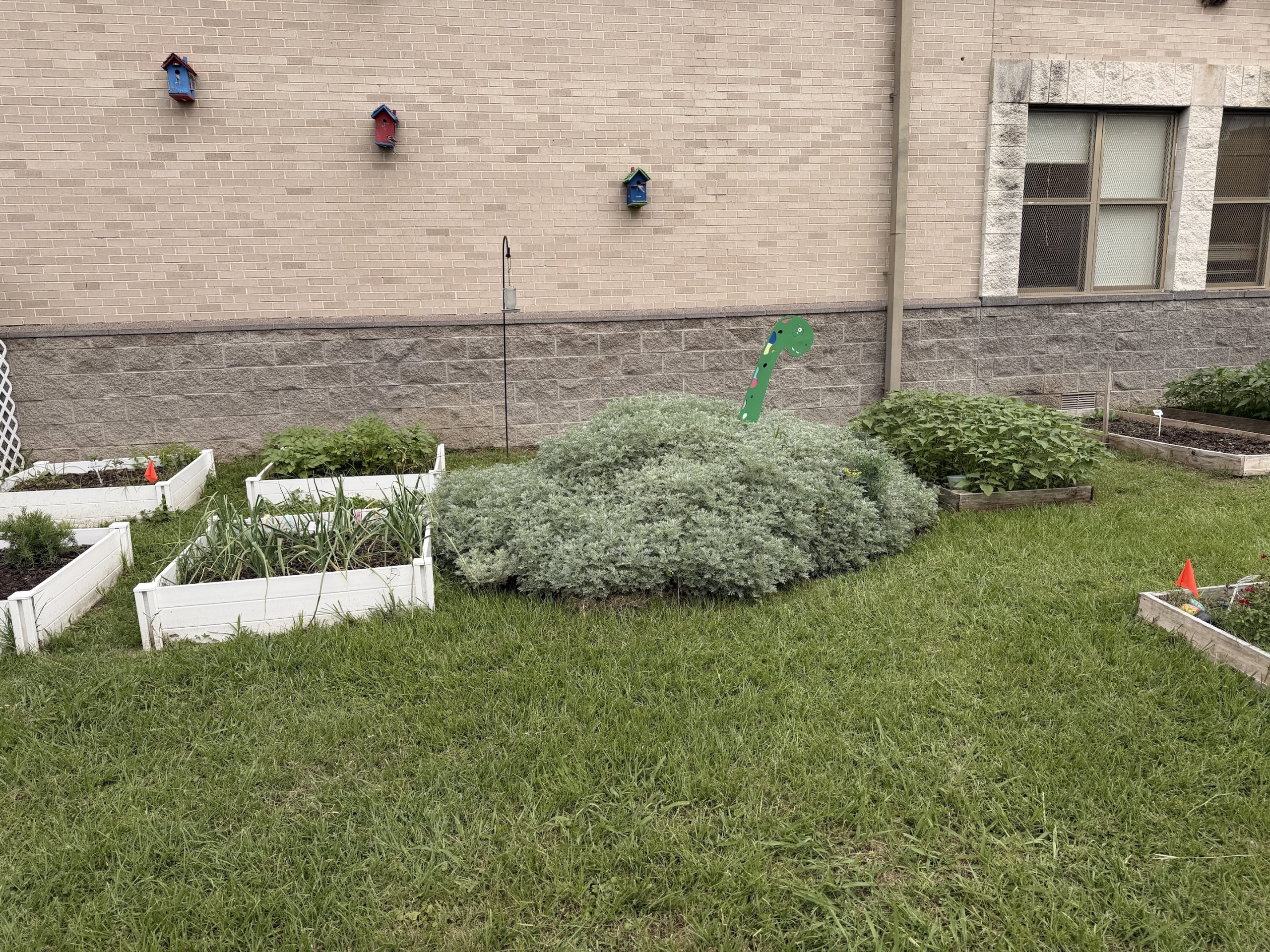
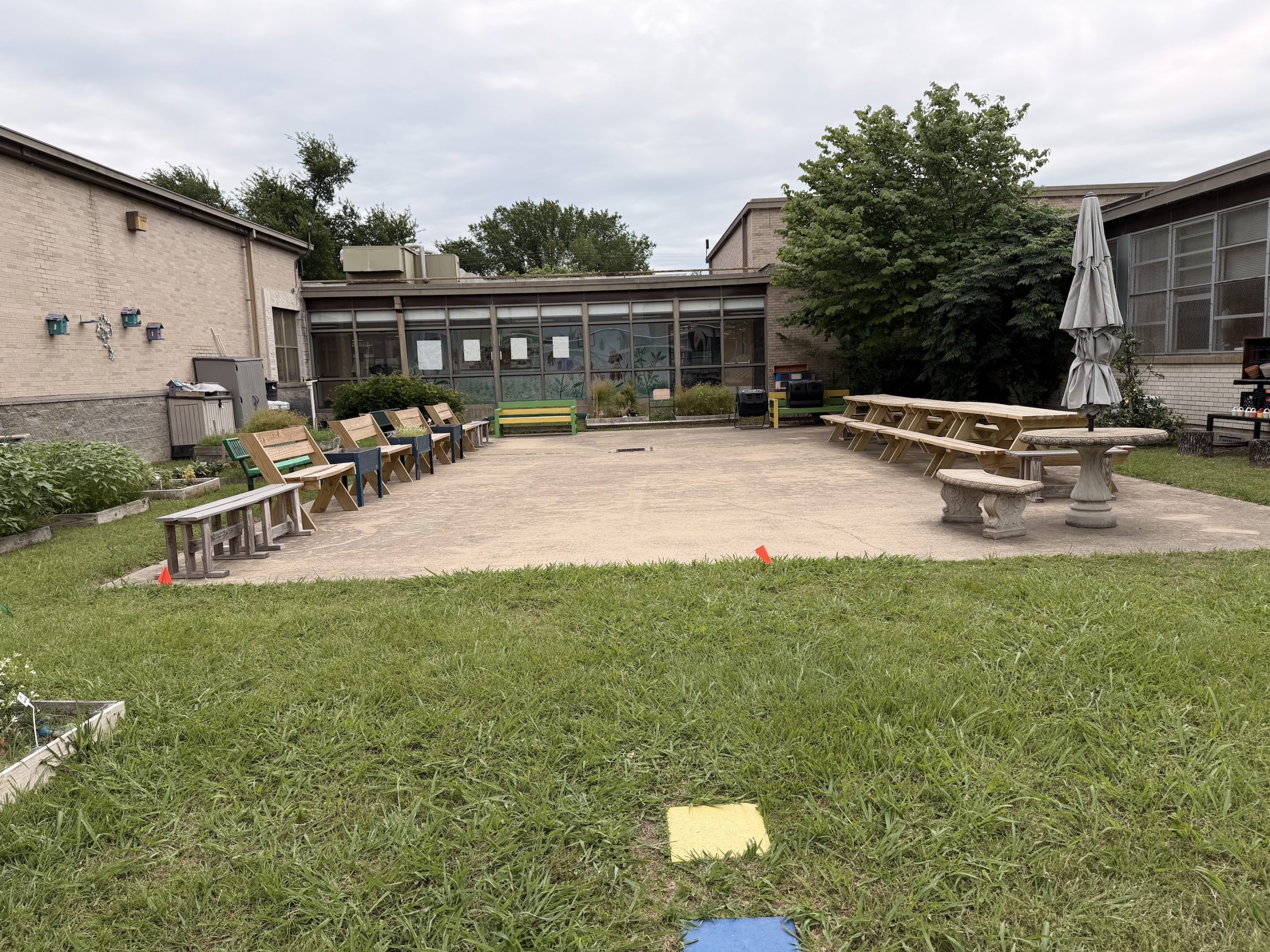
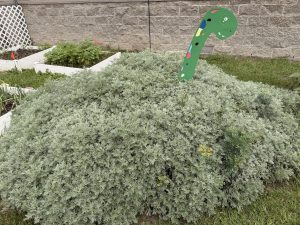 In the courtyard of Richard Lagow Elementary School, what was once a slab of concrete used only for the occasional festival has become a vibrant garden, pollinator habitat, and community hub.
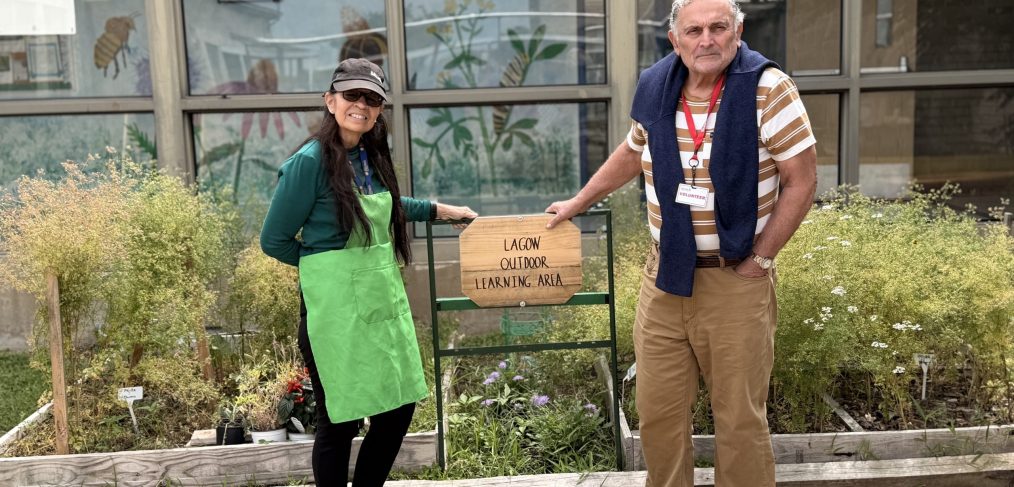
The transformation began in 2017, when a fifth‑grade teacher, Jeanette Newland, secured a grant from the National Wildlife Federation to convert the unused space into a school garden. When she left the school, Luz Rivera Acevedo, a bilingual first-grade teacher, took over.
“At the beginning, it was completely cement and concrete, and that’s it,” Rivera recalled. “I think we only had one bench.”
What followed was a years‑long effort involving students, parents, teachers, district staff, and community partners to turn that barren corner into a flourishing ecosystem. It now grows vegetables, i tomatoes, zucchini, and radishes among them; herbs, such as rosemary and basil; and fruits, including melons and pumpkins, all while supporting monarch butterflies, bees, and birds.
“The kids harvest, clean, and prepare the produce together, using trays or small bags,” Rivera said. “At dismissal, the parents receive what we’ve grown, but the kids must be the ones to harvest it.”
The Environmental Education Center donated monarch butterflies for students to release, and students planted flowers to attract pollinators. Parent volunteers also installed birdhouses and birdbaths.
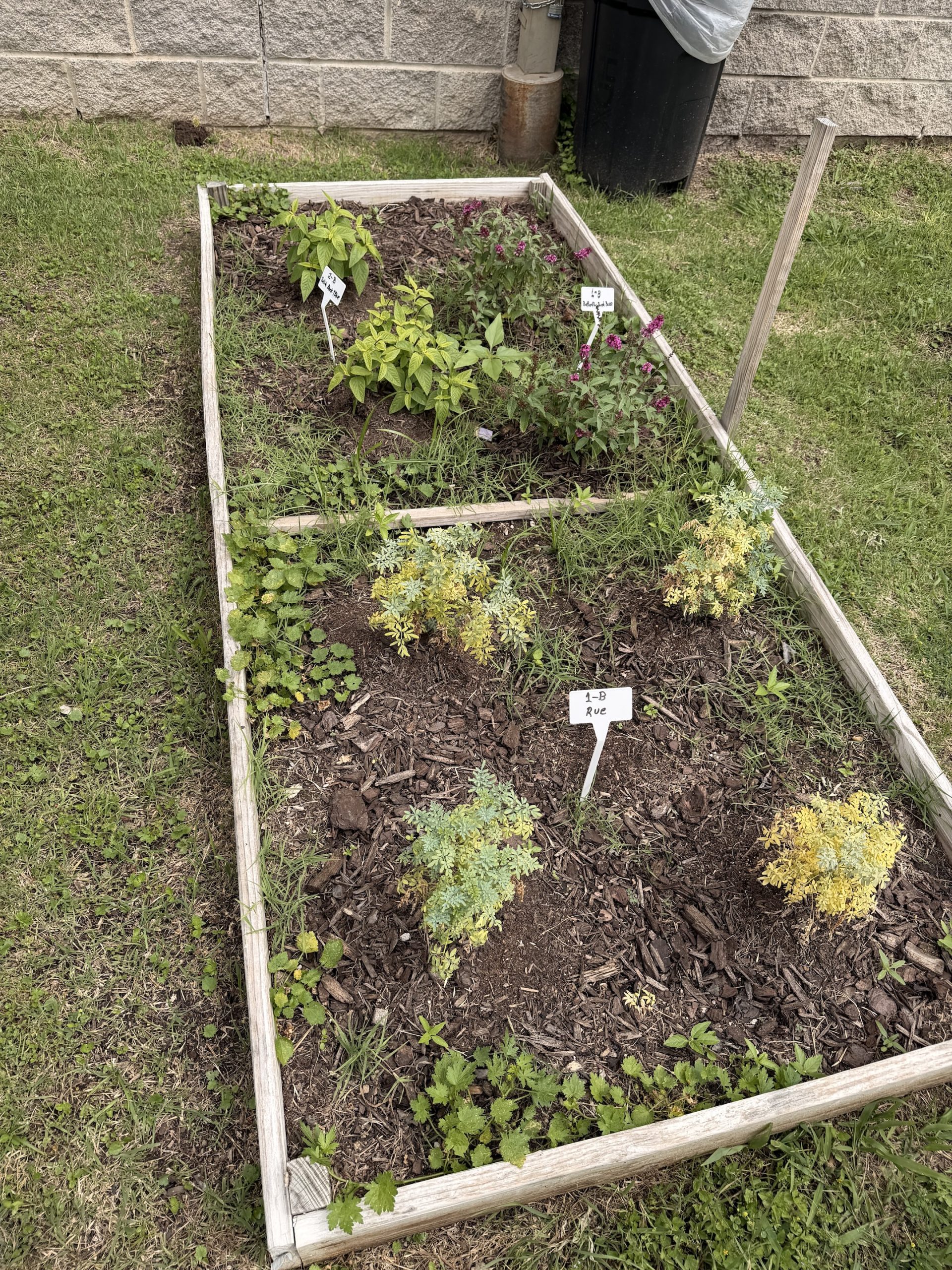
“The first pathway we worked on was the schoolyard, preparing the garden beds with flowers to help increase the monarch butterfly population,” Rivera said.
Rivera, a Puerto Rican native who has been with the district for a decade, emphasizes that student leadership has been central from the start. As part of the National Wildlife Federation requirements, students had to conduct an environmental audit of the space.
“They had a checklist, and they had to measure the space we were going to use,” Rivera explained. “Since the kids’ participation has to be at least 95%, we made sure to hit that mark.”
Students assessed water access, sunlight, and soil conditions, and used those findings to plan the layout of the garden beds.
From there, parents helped build raised beds alongside their children; volunteers, including Rivera’s husband, George Rey, brought tools and supplies; and the school community rallied behind the goal of creating a certified pollinator habitat. Over time, the garden earned Eco-Schools USA Bronze and Silver Awards before achieving a National Wildlife Federation Green Flag School designation.
The Green Flag journey, however, demanded meticulous documentation—audits, interviews, surveys, and lesson plans. Rivera describes the process as both demanding and deeply rewarding.
“We have binders with everything documented,” she said. “It was a lot, but very comprehensive and organized.
Students helped conduct surveys on favorite fruits and vegetables, interviewed cafeteria staff about menus and food preparation, and worked with Food and Child Nutrition Services to connect garden produce with lessons on healthy eating.
Rivera and her colleagues also made sure the garden was not just an aesthetic add‑on, but a true extension of the curriculum. Through professional development workshops with groups like Grow Garden Grow, she learned how to integrate math, science, social studies, and language arts into garden activities. She then created bilingual resources and shared them with the faculty.
“Teachers now use alphabet rocks to build early literacy skills, measure garden beds for geometry, and link ecology concepts to real pollinators and plants just outside the classroom door,” she said.
The garden has also become a powerful tool for social‑emotional growth and behavior support. Rivera has seen firsthand how students who struggle inside traditional classrooms often thrive outdoors.
She tells the story of one student known for behavioral challenges who brought in sunflower seeds from home.Together they planted the seeds, and soon the sunflowers towered above the building.
“He used to come back with his sister and his parents to help us,” Rivera said. “For me, it was amazing because the student’s sense of ownership and pride in the garden translated into more positive behavior and deeper engagement in school.”
That sense of ownership extends to all students, who see their work every day as they walk to the cafeteria.
“They can see the garden every day,” Rivera noted. “They say, ‘Oh, this was my flower because I planted it.’ And they’ve told me they are doing the same at home.”
Families have even started small gardens, grown pumpkins, and experimented with composting, inspired by what their children learn at school.
Yet the garden still faces practical challenges: the National Wildlife Federation requires untreated wood for beds, which deteriorates faster. There is no automatic irrigation system, and the harsh Texas summers and winter freezes mean constant replanting and repair. Rivera, volunteers, and students are exploring solutions.
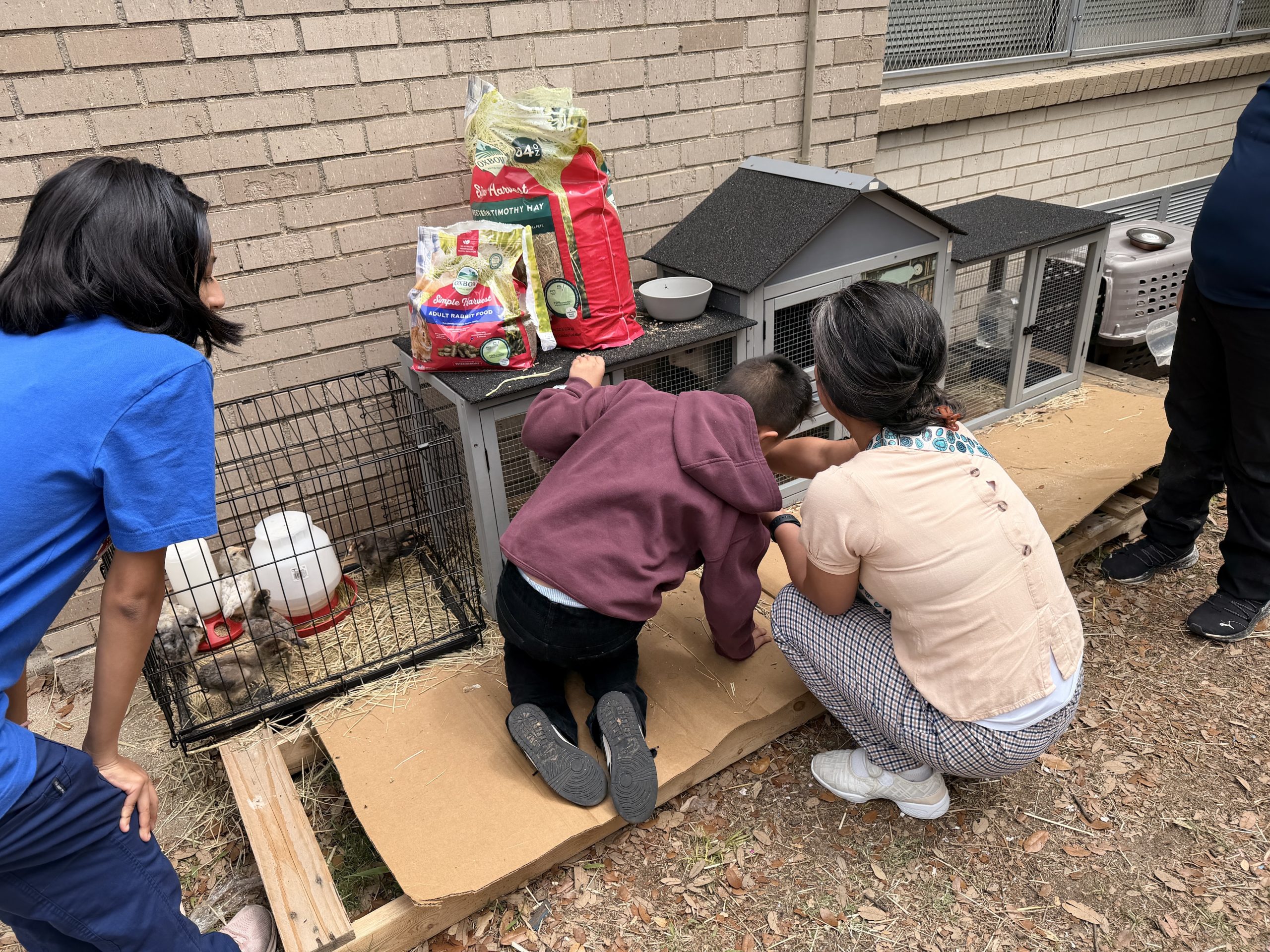
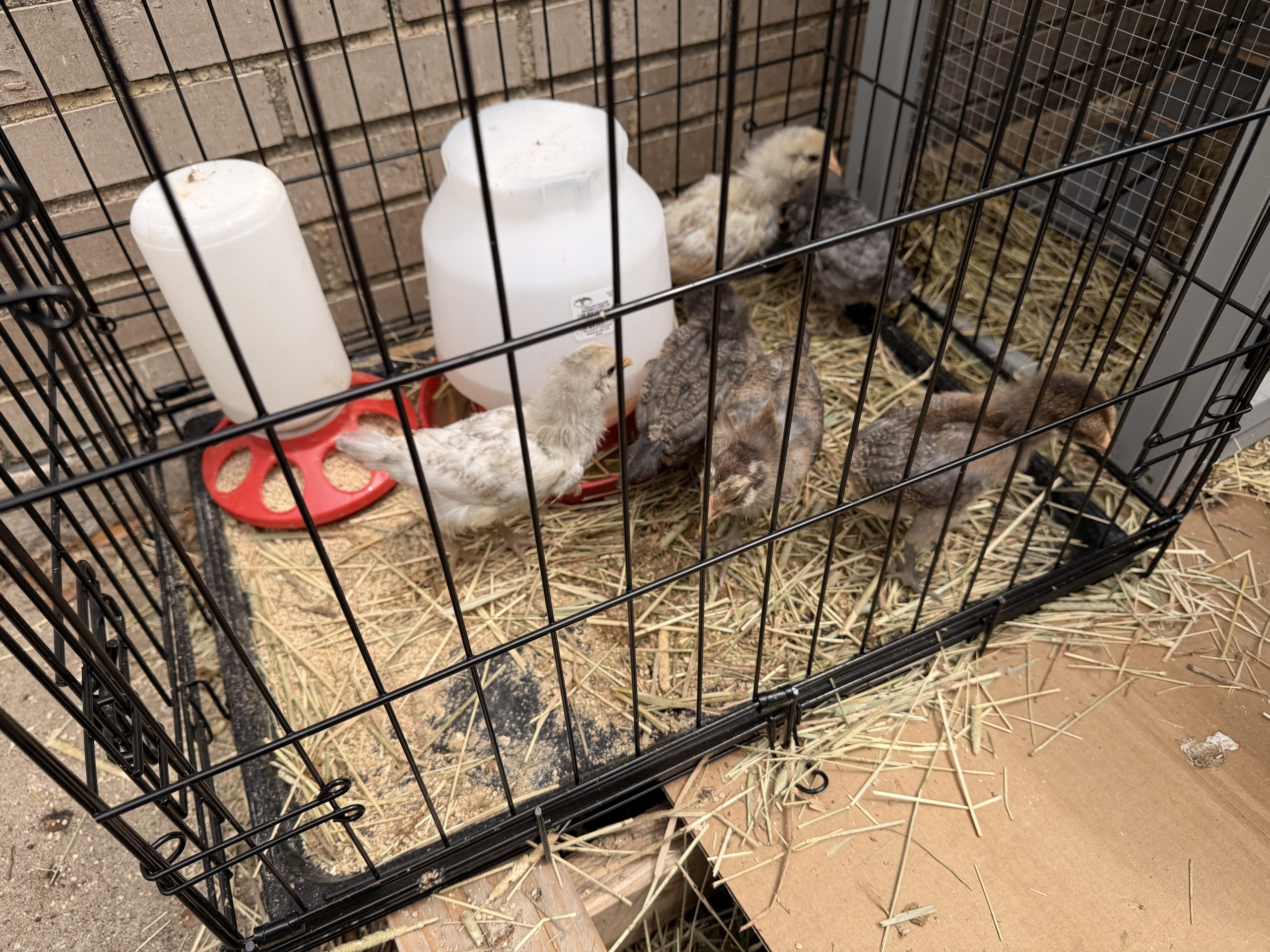
“Every time something dies, we see it as a lesson, not a failure,” she said. “We’re planning brick beds that retain water, a greenhouse to protect the crops in extreme weather, and even a gazebo with animals in the courtyard. The kids deserve to see that with patience and creativity, you can always find a way for life to grow again.”
Underlying all of this work is Rivera’s vision of what she hopes to leave behind: a sense of responsible stewardship for all of creation.
“I can tell you that what moves me most and the reason I expose my students to enriching experiences is their capacity for wonder, even at ‘small things,’ like a flower or the song of a bird,” she said. “We must help them preserve that beautiful capacity because that will lead them to develop a sense of responsibility toward nature, and this includes sustainability.”