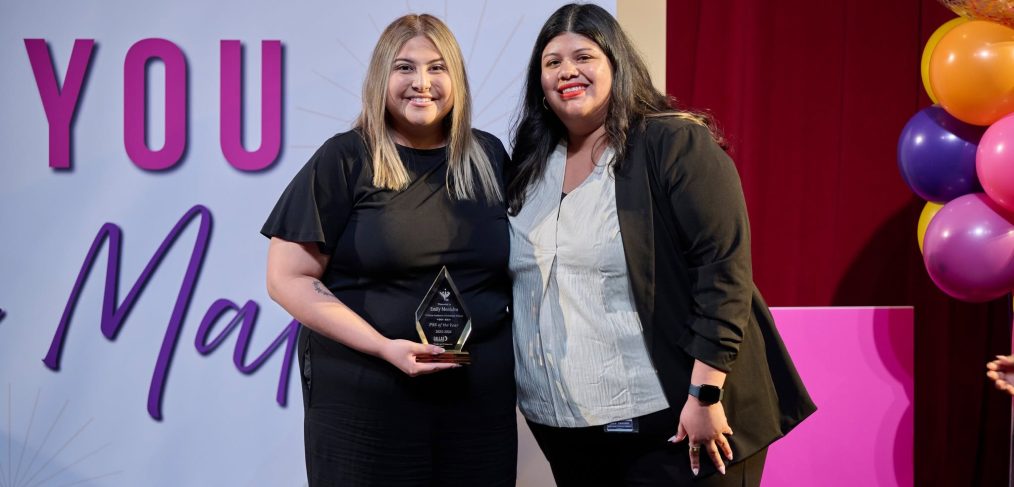
Dallas ISD’s parent support specialists were recently honored at a special end-of-year celebration hosted by the Family and Community Engagement and Partnerships and Volunteer Engagement departments at the Montgomery Arts Theatre at Booker T. Washington High School for the Performing and Visual Arts.
The event brought together staff, campus leaders, and district leadership to recognize these team members—the “Dallas ISD Difference Makers”—whose daily work strengthens the connection between schools and the families and communities they serve.
“You are the bridge between the school and the outside world,” said Deputy Superintendent of Staff and Accountability Pamela Lear. “You build trust, remove barriers, and ensure that families are not just informed, but connected and empowered.”
The afternoon featured a student performance from Booker T. Washington HSPVA and an awards presentation recognizing standout parent support specialists and volunteer and partnership coordinators from all six regions of the district. Chief of Partnerships and Intergovernmental Relations Jon Dahlander closed the program with remarks before guests gathered in the lobby for refreshments and photos.
2026 honorees
Region 1
- Elementary PSS of the Year: Emily Montalvo, William Anderson Elementary School
- Secondary PSS of the Year: Jennifer de la Rosa, Young Men’s Leadership Academy at Fred F. Florence Middle School
- Rookie PSS of the Year: Hazel Sonanes, Nancy Moseley Elementary School
- Outstanding Volunteer Coordinator, Elementary: Lucrecia Rodríguez, Richard Lagow Elementary School
- Outstanding Volunteer Coordinator, Secondary: Jacqueline Parra de la Rosa, E.B. Comstock Middle School
- Outstanding Partnership Coordinator: Jennifer de la Rosa, Young Men’s Leadership Academy at Fred F. Florence Middle School
Region 2
- Elementary PSS of the Year: Maria Carmona, Gabe P. Allen Elementary School
- Secondary PSS of the Year: Kevin Harris, Wilmer-Hutchins High School
- Rookie PSS of the Year: Myrna Montero, J.N. Ervin Elementary School
- Outstanding Volunteer Coordinator, Elementary: Erika Bonilla, Cedar Crest Elementary School
- Outstanding Volunteer Coordinator, Secondary: Katrina Kimbrough, Boude Storey Middle School
Region 3
- Elementary PSS of the Year: Esperanza Henderson, Margaret B. Henderson Elementary
- Secondary PSS of the Year: Mar-K Roberson-Craddock, Justin F. Kimball High School
- Rookie PSS of the Year: Jennifer Alcocer, Jimmie Tyler Brashear Elementary School
- Outstanding Volunteer Coordinator, Elementary: Jennifer Rangel, Ascher Silberstein Elementary School
- Outstanding Volunteer Coordinator, Secondary: Mar-K Roberson-Craddock, Justin F. Kimball High School
- Outstanding Partnership Coordinator: Mattie Pipkins, Martin Luther King Jr. Arts Academy
Region 4
- Elementary PSS of the Year: Rita Trevino, Winnetka Elementary
- Secondary PSS of the Year: Mayra Quinones, Hector P. Garcia Middle School
- Rookie PSS of the Year: Nubia Gonzales, James Bowie Elementary School
- Outstanding Volunteer Coordinator, Elementary: Delia Herrera, Arturo Salazar Elementary School
- Outstanding Volunteer Coordinator, Secondary: Megan Grantonic, Booker T. Washington High School for the Performing and Visual Arts
- Outstanding Partnership Coordinator: Maribel Roca, School for the Talented and Gifted at Pleasant Grove
Region 5
- Elementary PSS of the Year: Melissa Martinez, Anne Frank Elementary School
- Secondary PSS of the Year: Tita Pasion, Robert T. Hill Middle School
- Rookie PSS of the Year: Angelica Trejo, Geneva Heights Elementary School
- Outstanding Volunteer Coordinator, Elementary: Amy Loftis, Lakewood Elementary School
- Outstanding Volunteer Coordinator, Secondary: Tita Pasion, Robert T. Hill Middle School
Region 6
- Elementary PSS of the Year: Jenna Silva, Marcus Leadership Academy
- Secondary PSS of the Year: Cecilia Rivas, Thomas Jefferson High School
- Rookie PSS of the Year: Jackeline Lopez, Harry C. Withers Elementary School
- Outstanding Volunteer Coordinator, Elementary: Jorge Castillo, Walnut Hill International Leadership Academy
- Outstanding Volunteer Coordinator, Secondary: Jessica de Paz, North Dallas High School
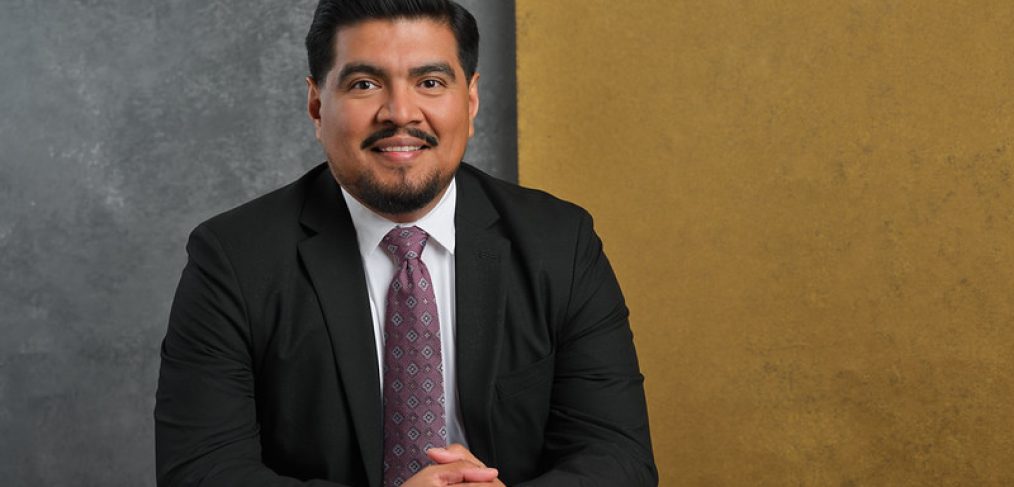
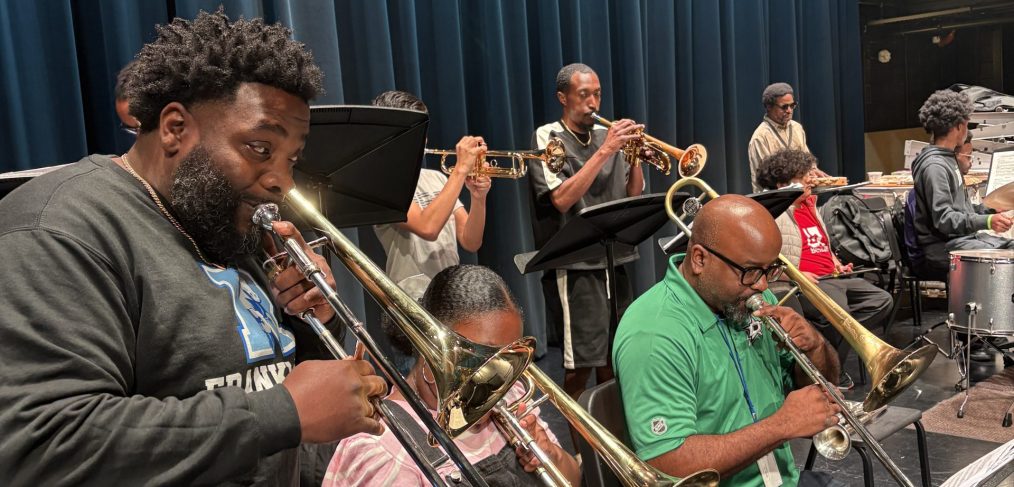
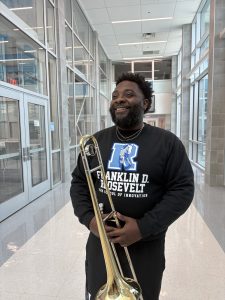 Kermit Gray is the director of bands at Roosevelt High School, and once walked in those same halls as a student. He experienced a full circle moment as an instructor at the jazz camp held at his alma mater.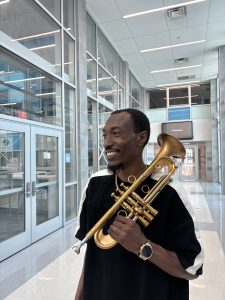

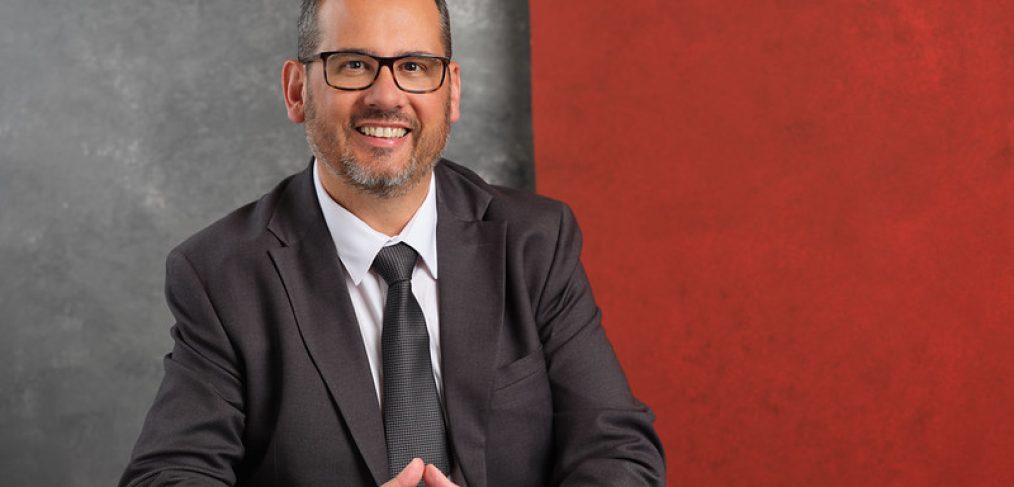
 He grew up and trained as a teacher in Spain, where he worked in a bilingual school with students whose first language was not Spanish. Over time, his desire to grow pushed him toward the life-changing decision of accepting an opportunity through the Spanish Ministry of Education to teach in the United States.At first, Texas was almost a mystery.
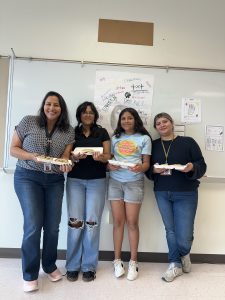 Bazey Mireles, Spanish teacher at Hill Middle School, who is co-teaching with Fernandes, sees the camp as a chance to plant long-term seeds.