

Whether teaching summer school or going on learning trips themselves or traveling with family, Dallas ISD team members are planning for a great summer. Some are undergoing procedures for their health or holding summer jobs different from their regular work. Here are a few team members’ plans:
This summer, I am planning to take a trip to New York and Destin, Flo., with my family. City lights and beach days ahead!
Briana Garraway
Ed Tech Enterprise Support Services
June and July, I shall be in Kärnten, Austria, the homeland of my heart, as I am every summer.
Catherine Knight Duncan
Charmaine and Robert Price Career Institute
Most excited about visiting Washington, D.C., for the museums and historical landmarks. Attending The Caring For Every Mind conference and enjoying the long summer days with friends and family.
Shakirae Ajaga
George W. Truett Elementary School
This summer, we plan to celebrate our 25th wedding anniversary with a romantic cruise through Fiji and Tahiti.
John Fore and Julie Fore
Young Women’s STEAM Academy
I’ll be attending a workshop event at the University of Iowa called Frogamans Printmaking for a week. I am very excited about building on my experience and hope to learn a new trick or two.
Jessica Raff
Booker T. Washington High School for the Performing and Visual Arts
Traveling to see Harry Styles in Europe, going to see the World Cup in Dallas and Kansas City, and taking the Sue Rose Summer Institute course at Southern Methodist University.
Marian Porras
Hogg New Tech
I will be traveling quite a lot this summer with my husband and friends. The first trip is Spain and Scotland with my husband. Next, it’s Los Angeles to visit my childhood best friend. Last is Tulum, Mexico, with a few friends. I will also periodically be going to Houston to visit my family.
Nataly Rodriguez
David G. Burnet Elementary School
I am among fifteen U.S. high school teachers who have been selected to participate in the 2026 GenEd Teacher Fellowship Program. The Fellows receive intensive, specialized GenEd training in Armenia this summer.
Mirshish Boyd
W.H. Adamson High School
I’m looking forward to a summer filled with sisterhood, travel, and quality time with family. My mom and I—both proud Dallas ISD employees—are planning a girls’ trip to Las Vegas to attend the 72nd Boule for Alpha Kappa Alpha Sorority, Inc.® We’re excited for a week of connection, service, leadership development, and all things pink and green! Between conference events, inspirational sessions, and a little Vegas fun, we’re making the most of our summer break while celebrating the impact of education, sisterhood, and service. It’s the perfect way to recharge before another amazing school year begins.
Natalie Richards
School Leadership-LEAD
I’m guiding a wilderness therapy retreat at Lake Tahoe. The retreat title is “Digital Detox.”
Tami Gilmore
Mental Health Services
I was awarded a $5,000 Fund for Teachers fellowship. I will travel through Indonesia to study volcanic succession, island biogeography, and biodiversity across the Wallace Line. By documenting forests and land use from Krakatoa to Maluku, I will create place-based AP Environmental Science case studies that deepen students’ understanding of evolution, succession, and conservation.
David McLoda
School of Science and Engineering
I will be offering a workshop to Dallas ISD art teachers and one to adults in the community in June. Then, my husband and I will go to Italy for the month of July. I will take long walks to the port, drink Americano, eat the greatest pizza, and visit with friends and family.
Stacy Cianciulli
L.O. Donald Elementary School
I won a grant from the National Education Association to travel to Spain to participate in professional learning while preparing bilingual literacy and STEM resources.
Katharine Joss
Gabe P. Allen New Tech Academy
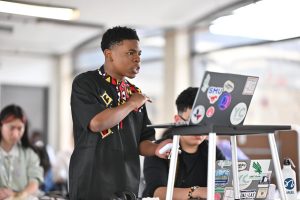 Javier V. and Caleb J.carried the school’s legacy of debate excellence onto the national stage, recently earning second place at the National Association of Urban Debate Leagues championship. The championship brought debate teams from urban districts around the country, under one roof.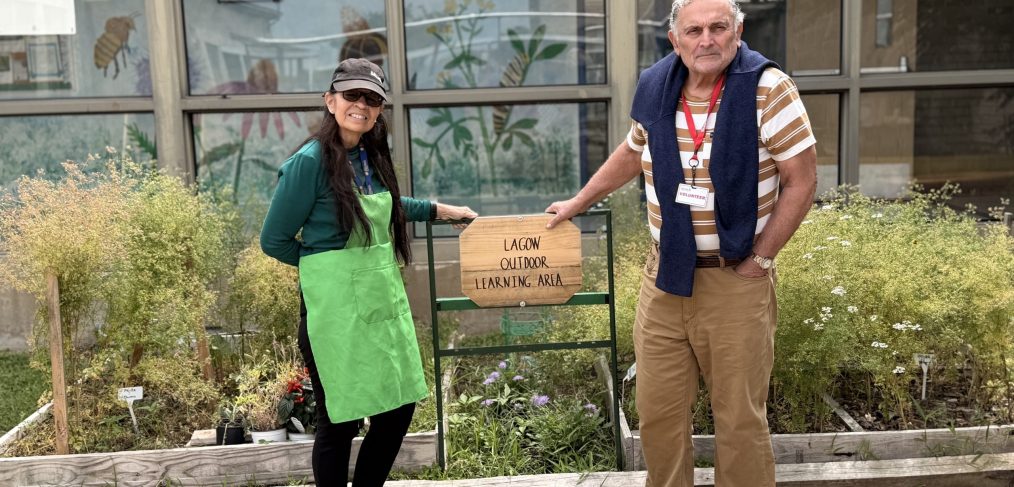
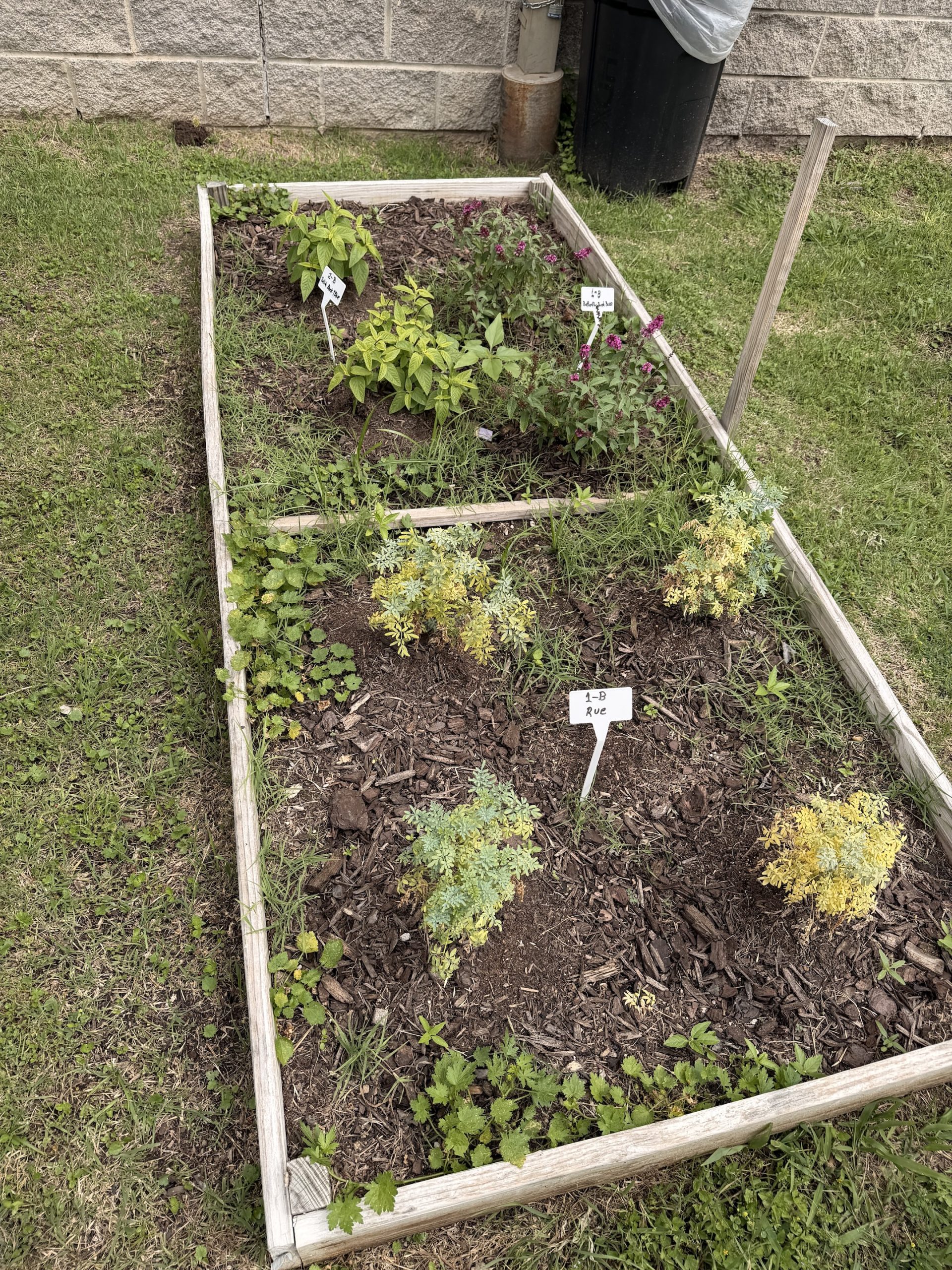
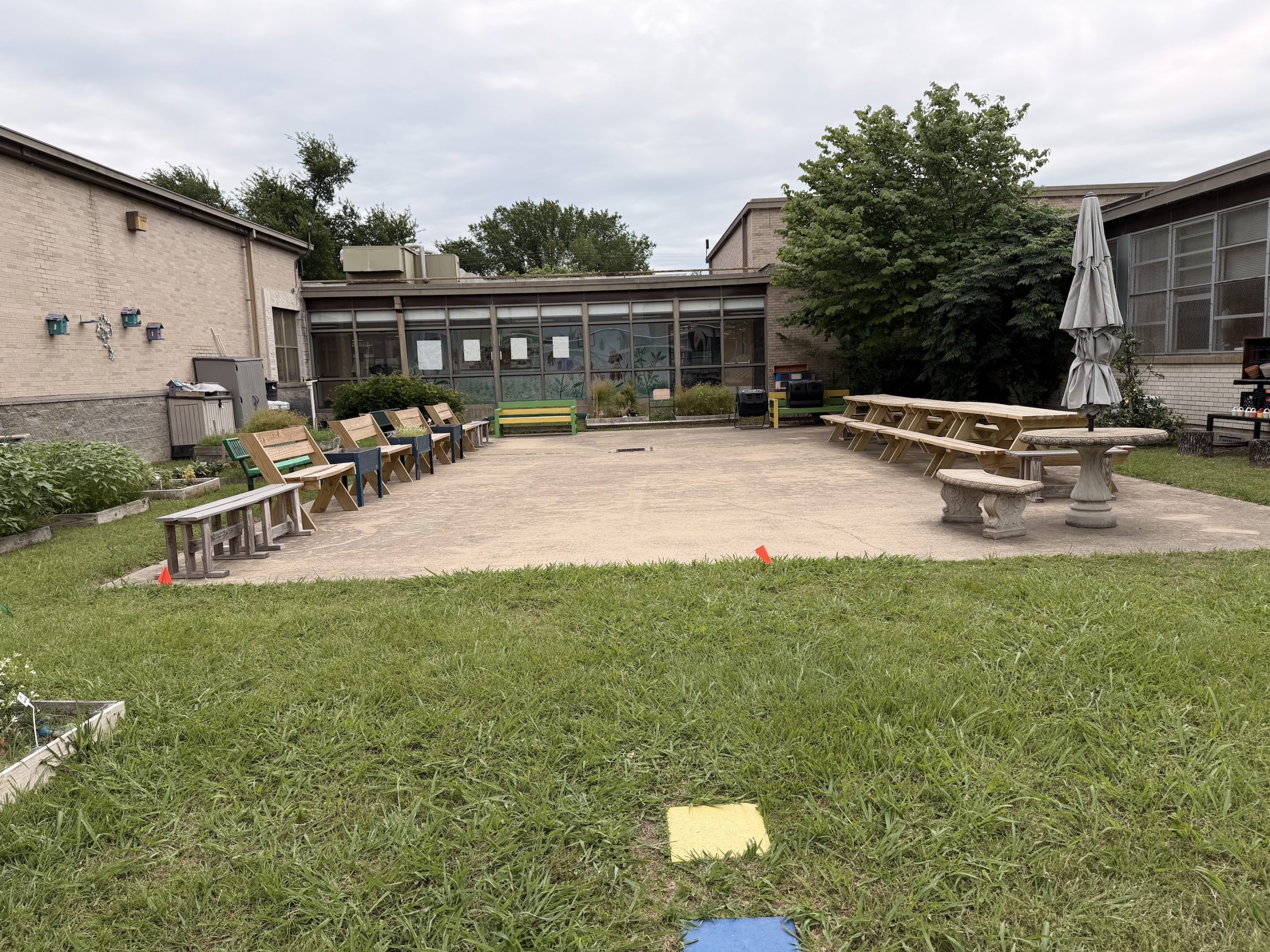
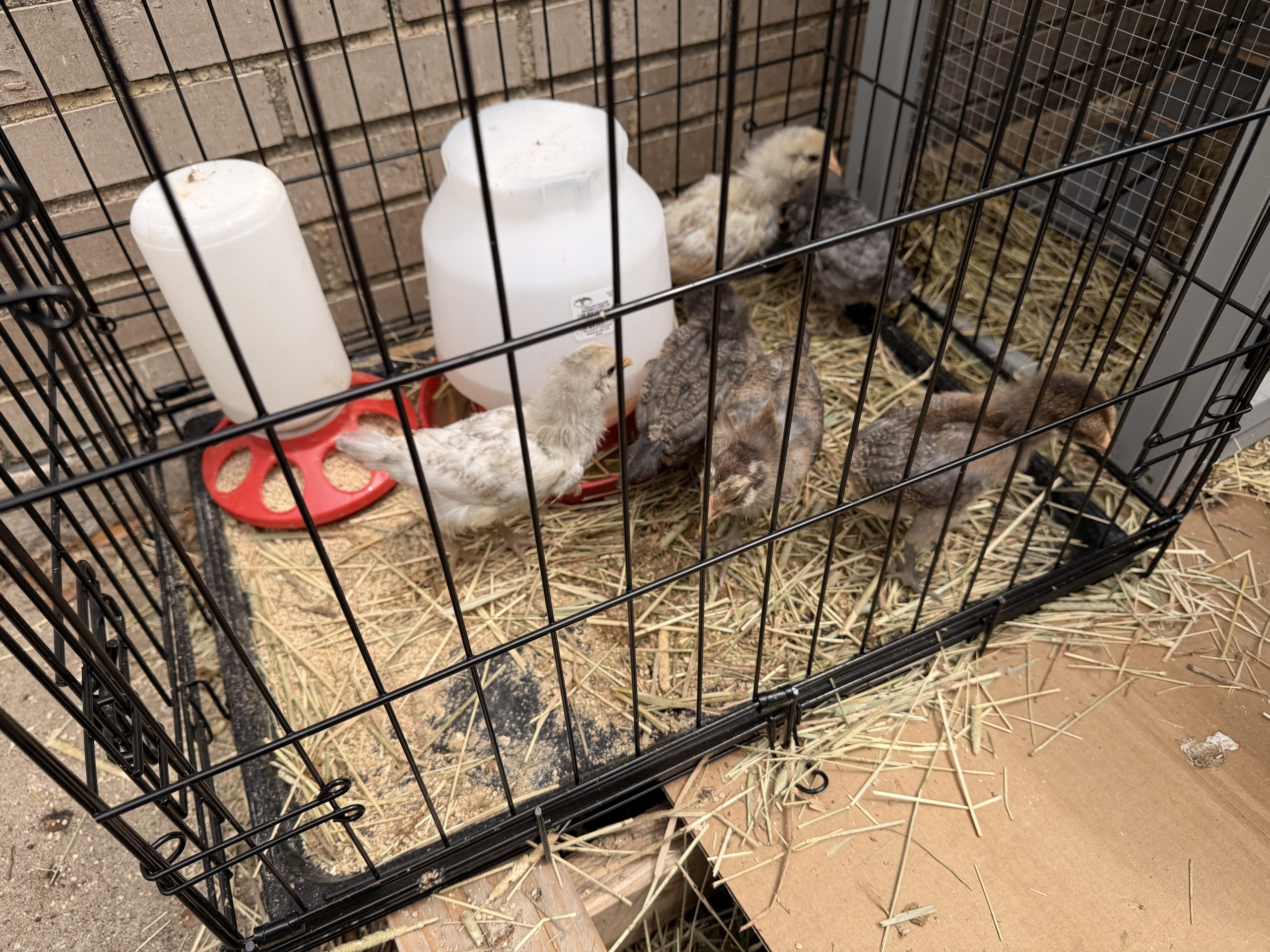
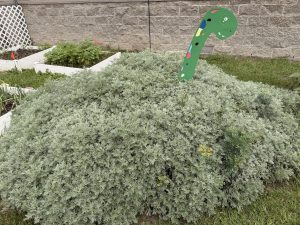 In the courtyard of Richard Lagow Elementary School, what was once a slab of concrete used only for the occasional festival has become a vibrant garden, pollinator habitat, and community hub.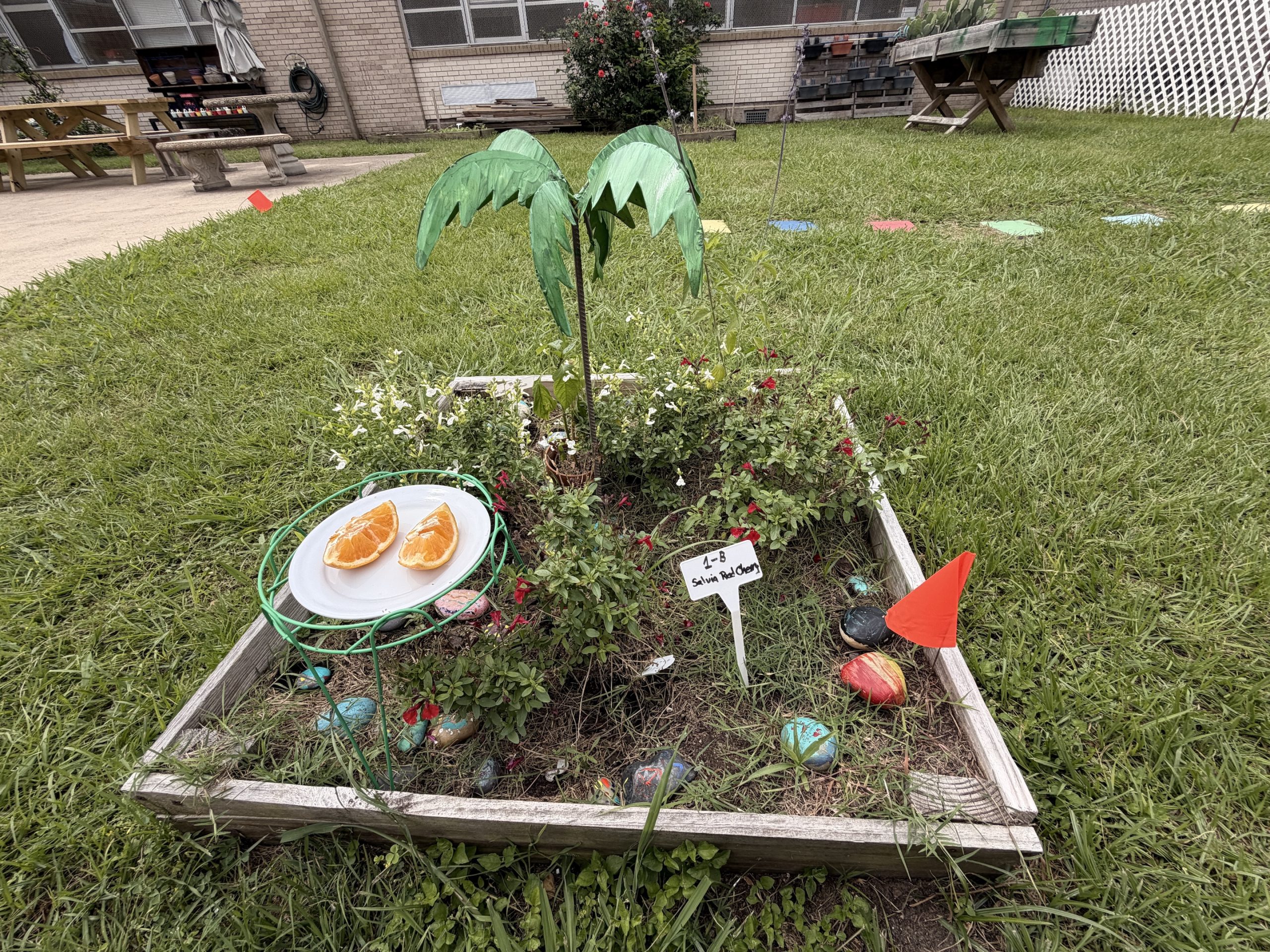
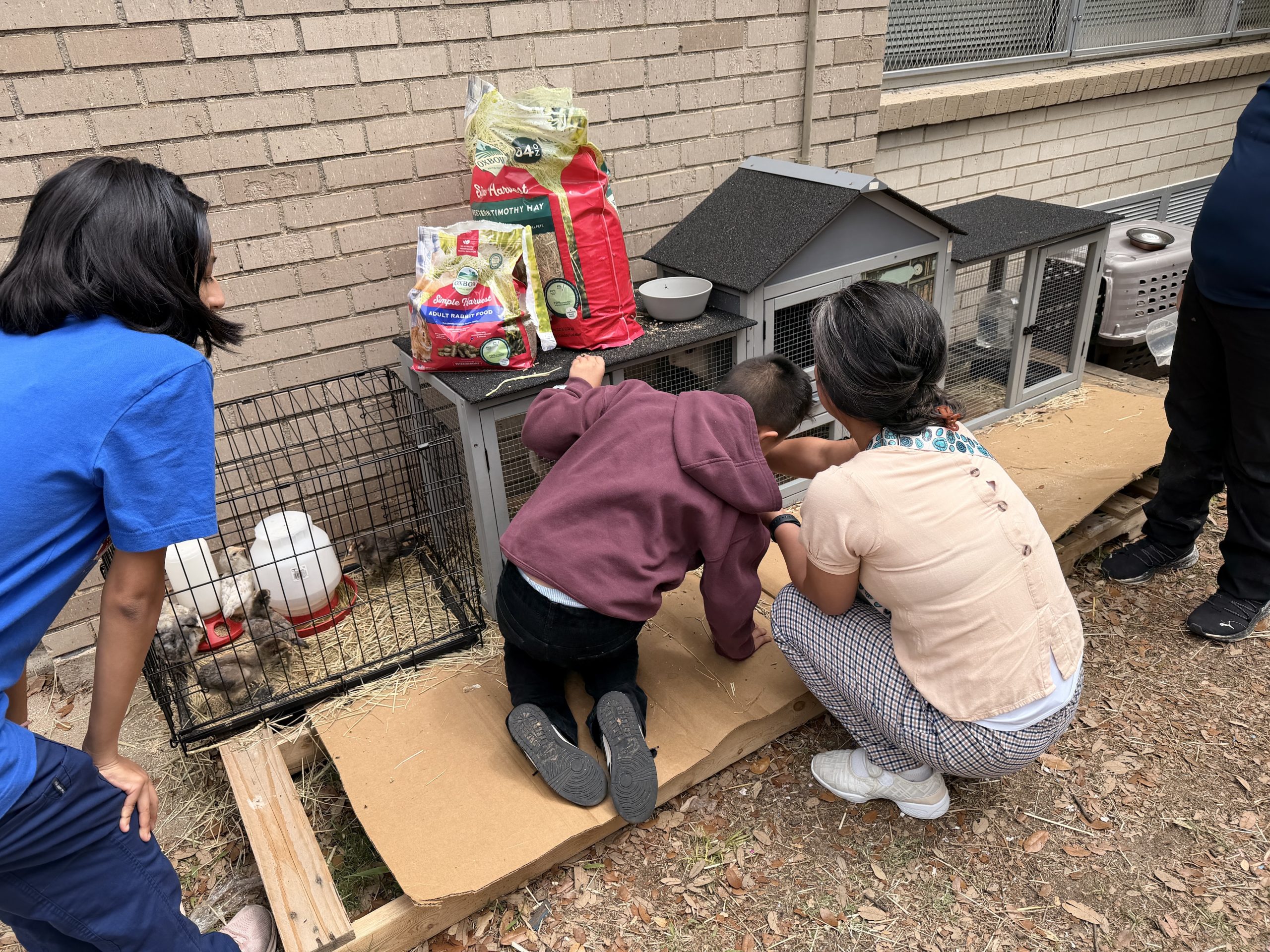
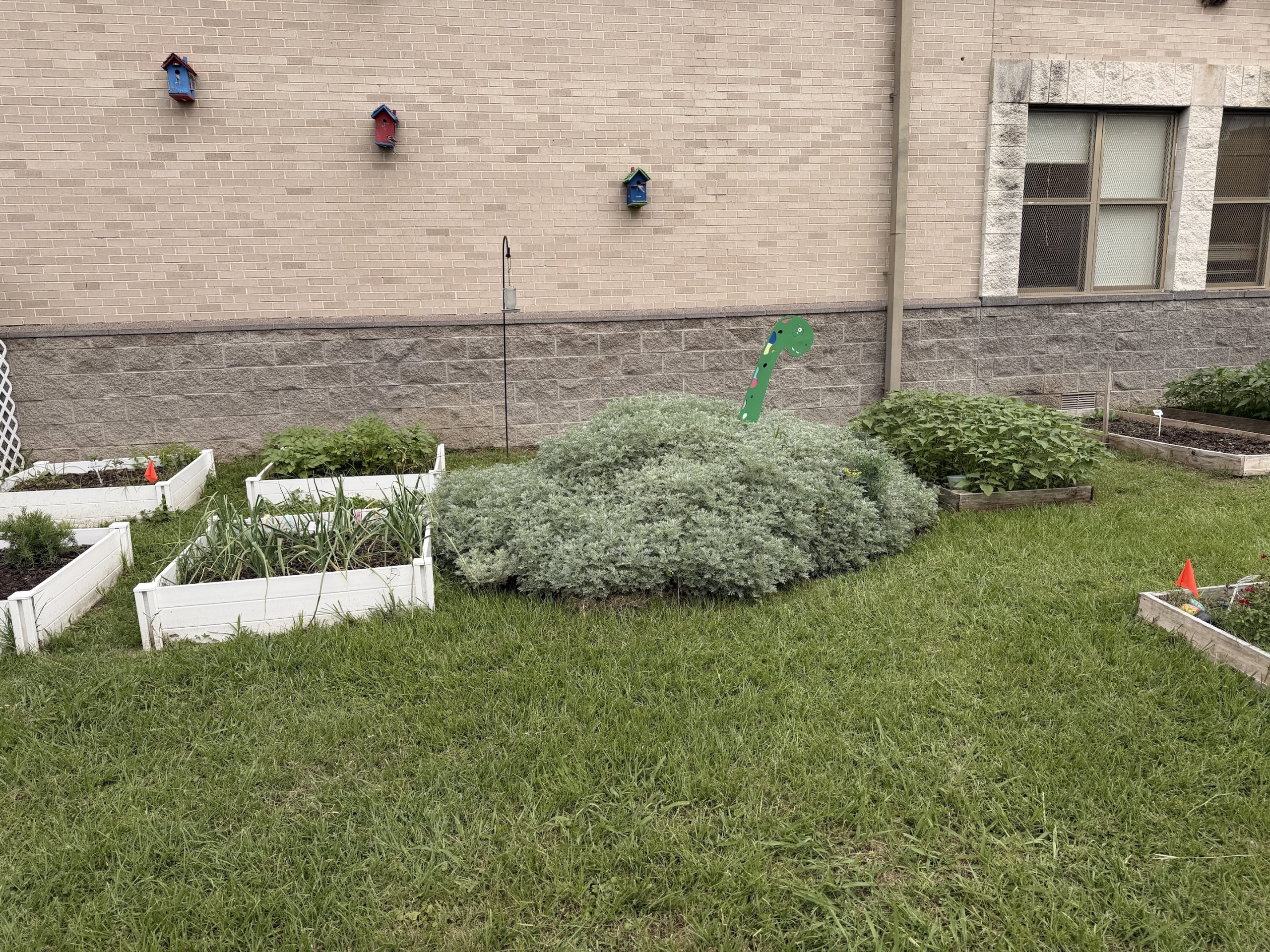
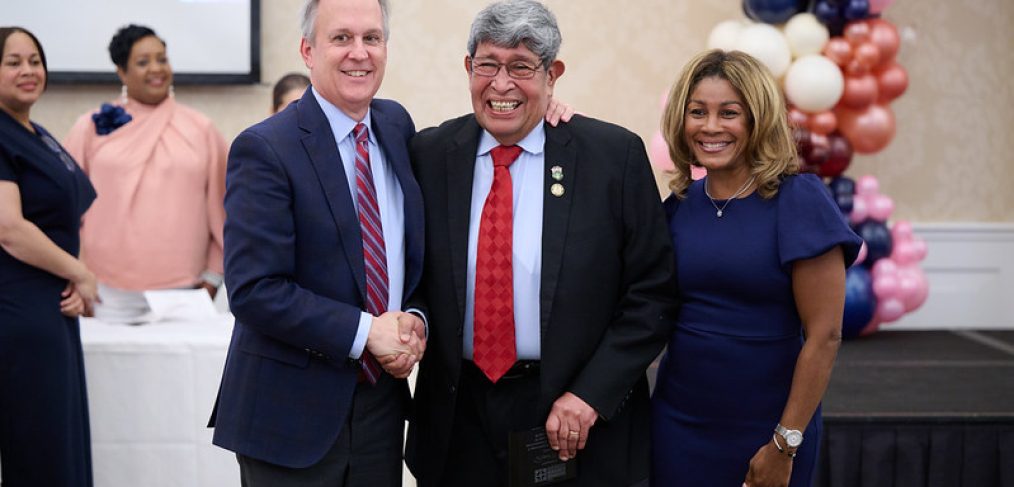
 In addition to recognizing outstanding counselors and their dedication to supporting students across the district, the 2026 Counselor of the Year Ceremony honored Robert Muñoz, who is retiring after 59 years in Dallas ISD. Muñoz has served as a counselor for 28 of those years. He was also recognized during the 2026 Salute to Service Awards for his nearly six decades as an educator in Dallas ISD.
 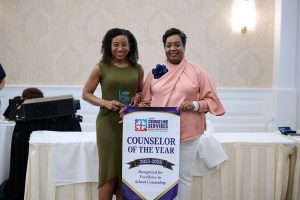 collaboration.
 Vick began her career with Dallas ISD 17 years ago, first serving as a history teacher at W.H. Adamson High School and later transitioning to testing coordinator at Molina High School. Driven by her passion for supporting students, she created the prom dress initiative at the school three years ago after recognizing how costly prom can be.
  Over the years, Vick has seen what a perfect dress can do to boost students’ confidence. She has given away about 30 dresses this year alone and around 150 dresses since she started. These dresses are not only for prom, but also for anyone who needs them for dinner or other school events.
 “As a department, we are able to grow and develop our own practitioners and therapists and provide them with the training they need so they can help us close reading gaps,” said Veronica Allen, director of Dyslexia Services.

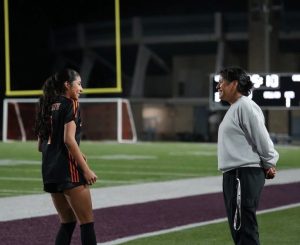 “I just followed my dad wherever he went,” Gonzalez recalled. “He would play in the Sunday leagues and eventually they signed me up. I didn’t realize there was a girls league, so I played with the boys. I was the only girl on a little Mexican boys team.”
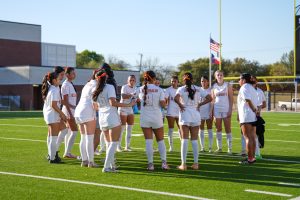 “I had to take classes online to keep my scholarship for soccer,” she explained. “I was living in the facility—training with my teammates, eating with them. It becomes your whole lifestyle, but it’s something that I love. I would do it all over again if I had the opportunity.”
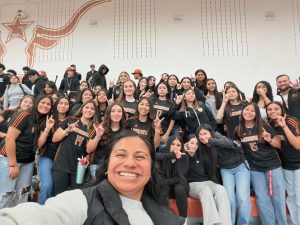 “My high school coach made the biggest difference in my life,” she said. “I wanted to give back to the community, and I knew coaching was my passion.”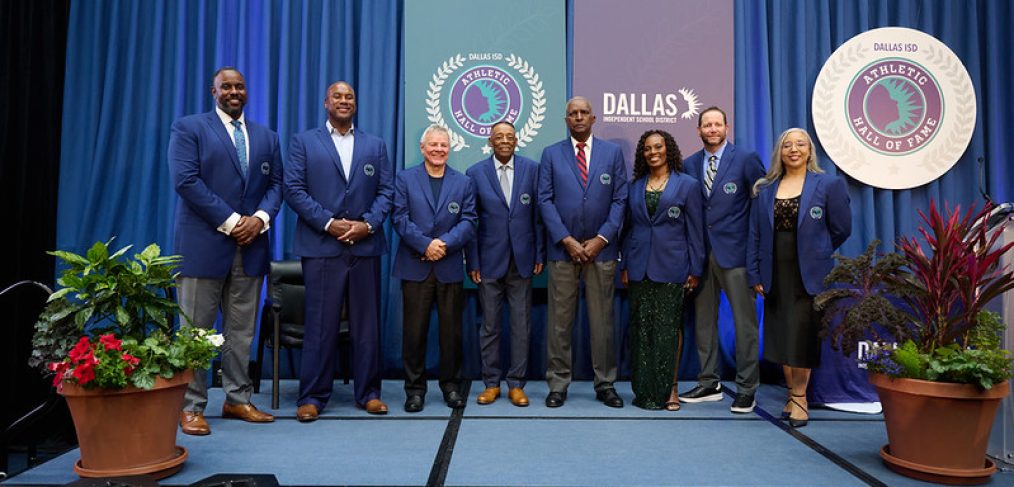
 “It is important that we are honoring tonight’s inductees,” said Superintendent Stephanie S. Elizalde. “I want you to know how proud we are that you will always be associated with Dallas ISD. Let their success be a beacon to everyone that you can achieve anything and know that success goes through Dallas ISD.”