Learning culture by exploring languages
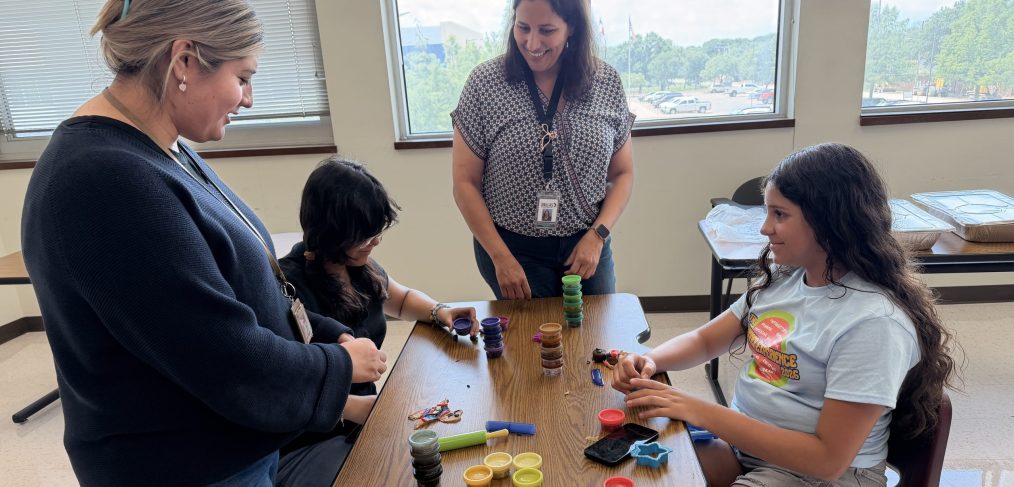
At Camp Culture: A World Language Experience, middle schoolers aren’t cramming conjugations, they are painting, designing, tasting, and storytelling their way into new worlds. Running through June 25, the camp lets students rotate through Spanish, German, French, and Mandarin with hands-on activities, from traditional dances and basic language lessons to food tastings in partnership with Food and Child Nutrition Services.
Lisa Whitaker, director of Academic Enrichment and Support, said her idea for the program grew out of a simple concern: students don’t know what they’re missing.
“Children often select Spanish or French, while German, ASL, and Mandarin are rarely chosen,” Whitaker said. “Many students simply have little exposure to these languages or how they might use them in real life.”
For Whitaker the camp is about access and imagination. By giving students a taste of these cultures now, she hopes they’ll feel more confident choosing high schools and courses that match their curiosity—and maybe even discover a new passion that could shape their futures.
Camp instructor Fernanda Fernandes, who grew up in Brazil and now teaches French at Preston Hollow Elementary School, said the emphasis is clear.
“The goal during this time is not to teach them a lot of language, but rather the culture,” Fernandes said. “Once they feel connected to the culture, they want to discover more about the language. They learn a few words, but not yet in depth.”
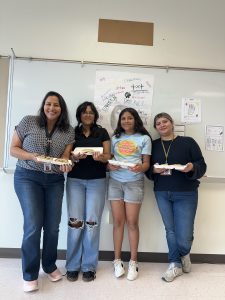 Bazey Mireles, Spanish teacher at Hill Middle School, who is co-teaching with Fernandes, sees the camp as a chance to plant long-term seeds.
“By Friday, we want them to know that these languages are available to fulfill their language credit,” Mireles said. “We want them to immerse themselves in the culture so they become interested in learning another language.”
The camp’s Spanish week is a perfect example. Students created self‑portraits inspired by Frida Kahlo and Diego Rivera, then shifted from art history to social media by designing Instagram‑style pages for the Incas. They also studied athletes like Lionel Messi and produced trading cards. Later, they designed movie posters inspired by the films of Guillermo del Toro and Latino culture.
These projects transform the classroom atmosphere, Mireles said.
“It’s definitely less pressure for them,” Mireles said. “They get to flip that creative switch. They love expressing themselves, and I feel like teaching them through culture takes the pressure off, which encourages them to keep creating.”
Time is another quiet luxury of the camp. Because camp days run longer than regular class periods, students immerse themselves into their work instead of racing the bell.
“Since it’s a little more laid back, they can dive deep into crafts and hands-on activities to express themselves,” Fernandes said. “Sometimes we don’t have time for that in a regular classroom setting, but with the different approach we have during summer camp, they’re not afraid of having to finish everything in a single class period.”
The cultural lessons spill beyond the walls of the classroom. A planned trip to the Meadows Museum this week will connect what students see in PowerPoint slides and discussions to real works of art.
“Meadows has a Latino exhibition, and that will help them connect with what we just saw,” Mirela said. “They can just walk around, look at the art, and see what these cultures have to offer. Making that real-world connection will help them understand just how important it is.”
This summer, the FIFA World Cup coming to Dallas adds another powerful hook. Students are designing their own FIFA mascots based on Spanish‑speaking countries, tying global sports fever to culture and creativity.
Both teachers are careful to tie language to the real world. Mireles talks to students about major international companies with Dallas ties, and how much it matters to be able to speak to people in their own language.
“If you want to be part of something big, you need to be able to communicate with people,” Mireles said. “You don’t know how much they appreciate it when you understand their culture.”
For Fernandes, who also has a background in literature and journalism, the camp’s purpose reaches even further.
“Students are learning to be citizens of the world, not just of one place,” Fernandes said. “AI and translation tools can help you get some words, but they don’t help you get the culture—and putting everything together only happens through culture.”