When two third graders asked Patricia Cortez, Texas history teacher at the School for the Talented and Gifted in Pleasant Grove, to start an all-girls robotics team, she said no.
The school’s robotics team had just returned from the VEX World Championship. The team had trophies, momentum, and a winning formula. The girls on the team, however, did not feel like they were fully participating in the experience.
“They told me they felt intimidated,” Cortez said. “They said they wanted their own team where they could take on bigger roles.”
Cortez heard them, but she hesitated because of her lack of background in the field.
“I have no engineering background,” Cortez said. “I knew nothing about robotics. I love math, but not programming. I’m very competitive, so in my head I was thinking, ‘If we do this on our own and lose, what happens then?’ So I told them no.”
The students didn’t drop it. Instead, they gave Cortez back her own words.
 “They said, ‘If this is all about learning, then you can learn with us. Let’s do it together,’” Cortez said. “That stopped me. They weren’t asking for an easy path. They were asking for a chance.”
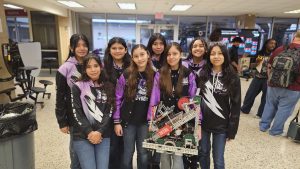
That conversation became the starting point for the LadyBots, an all-girls robotics team that has since grown into a larger web of STEM opportunities at TAG: LadyDronez, an all-girl aerial drone team, and Girls and Gears, a workshop hosted by students to introduce younger girls to STEM activities.
Cortez has been with Dallas ISD for 13 years. She began teaching at Casa View Elementary School, the same campus she attended as a child, and later moved to TAG in Pleasant Grove. Robotics, however, was not part of her original plan. It arrived as a district initiative to expand STEM offerings. A colleague asked if she would co-coach.
“Eventually I said yes even though I felt unqualified,” Cortez said. “The girls and I learned together. We made it to the world championship and even won trophies there. But it was those two third graders asking for their own team that changed the direction of everything.”
Once the Lady Bots formed, Cortez began looking more closely at who is usually seen in STEM spaces.
“I started reading about how underrepresented women are in STEM, specifically Latinas,” Cortez said. “When I shared those statistics with my girls, it really hit them. It made them want to keep the Lady Bots going and bring more girls in.”
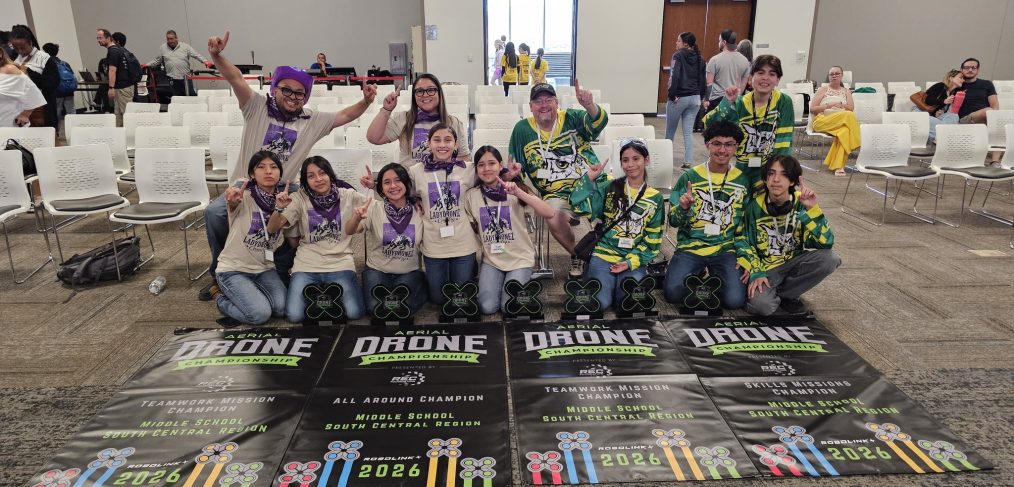
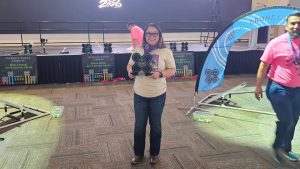
From there, the work expanded. Her students now run Girls and Gears, a hands-on event that invites girls from the community to build, code, and experiment. Cortez and her husband, fellow educator Omar Cortez, launched an all-girls aerial drones team. That team has gone on to win regional tournaments and back-to-back all-around champion titles at the Aerial Drone Competition, which led to Cortez being named Aerial Drone Coach of the Year
“The award is based on nominations. When they read the speech and mentioned ‘breaking barriers,’ Girls and Gears, and my students seeing me as a motherly figure, my heart stopped,” Cortez said. “When they called my name, I started crying as I heard my girls and my husband cheering. It was a lot to take in.”
For Cortez, the awards matter less than what happens in the classroom and practice space. She talks about students bent over laptops, adjusting code line by line, or nudging drones into precise positions so a program will run correctly in a gym full of air vents and moving people.
“They spend so much time troubleshooting,” Cortez said. “When it finally works, you hear these ‘yay’ moments from different corners of the room. That sound is my favorite. They know how much effort they’ve put in.”
Cortez admits that STEM even forced her to confront her own habits.
“As a child, I was a perfectionist. I had to accept that I’m not going to get everything right the first time and that nothing is ever really perfect,” Cortez said. “Robotics taught me to embrace failure. Once I learned that for myself, it was easier to tell my students, ‘It’s okay to get things wrong. In STEM, that is how you learn.’”
One student’s growth in particular stays with Cortez. At her first drone competition, the student froze when Cortez asked her to shout to her teammate during a match.
“She just looked at me and shook her head,” Cortez said. “She wouldn’t call out. So we put her in the skills division, where it’s just you, your drone, and your controller. No communication needed.”
Over time, that same student asked to move into teamwork events, which required constant collaboration with another team. She practiced calling out directions, learned to speak up when something went wrong, and eventually became team captain. She even began telling people she wanted to become a pilot.
“This student used to say she hated math,” Cortez said. “Now she’s improved her scores, learned to advocate for herself, and got into the School of Science and Engineering at Yvonne A. Ewell Townview Center. That is huge.”
When Cortez thinks about how she wants her students to remember her, she does not mention titles or competitions.
“I want them to remember me as the person who pushed them to do what they were scared of,” Cortez said. “To try something they didn’t think was for them. To walk into STEM spaces where they might not see anyone who looks like them and still understand that they belong there.”
As the world celebrated National Women in Engineering Day on June 23, Cortez’s message for girls who are unsure about STEM is clear: “Girls have their space in STEM. We need different kinds of thinkers solving problems, and that absolutely includes girls.”


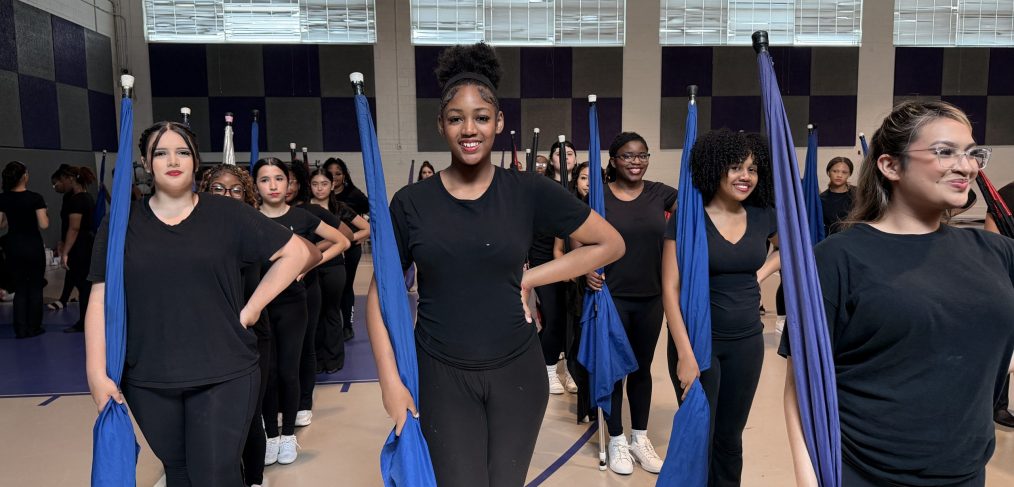
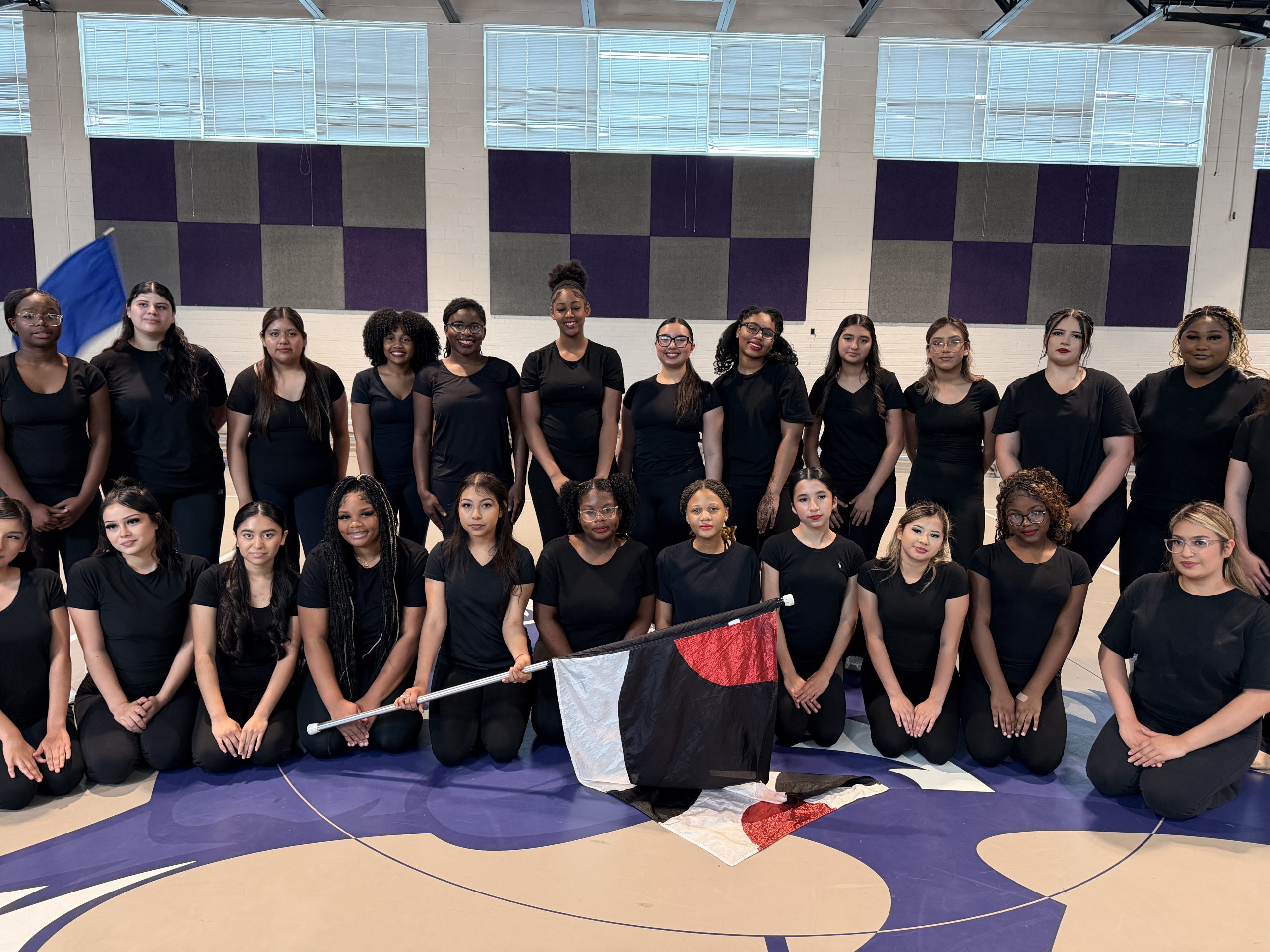
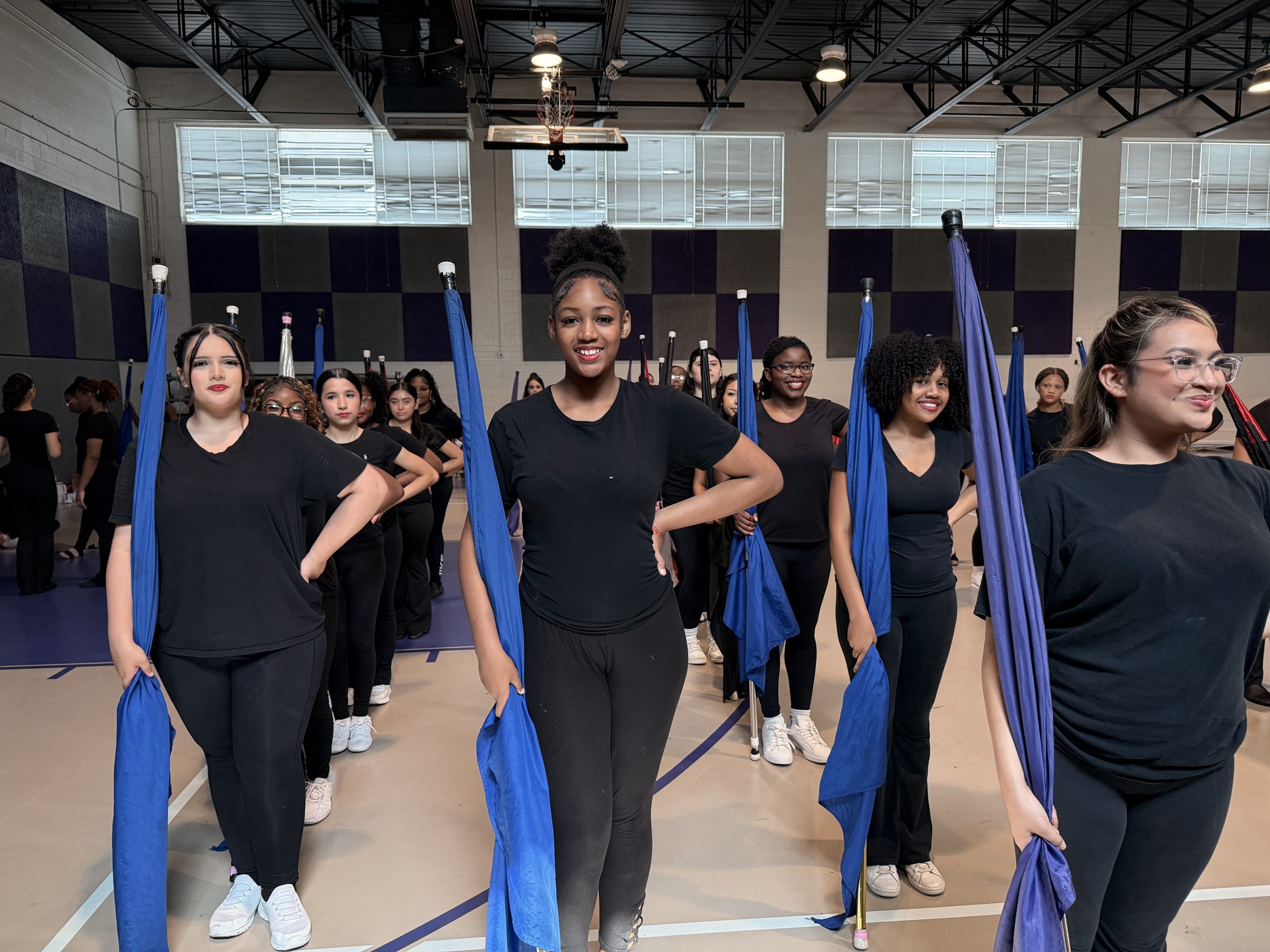
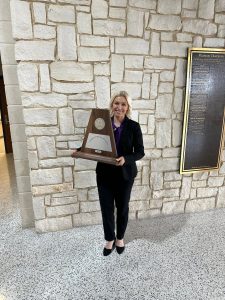 “Sometimes the majorettes and the color guard get overlooked because they are a section in the band, but typically, from a band director’s perspective, the focus is on the musicians,” said Kathryn Scott, director of bands at Sunset High School. “This camp gives them the ability to interact with great counselors who teach them to use their batons or their flags.”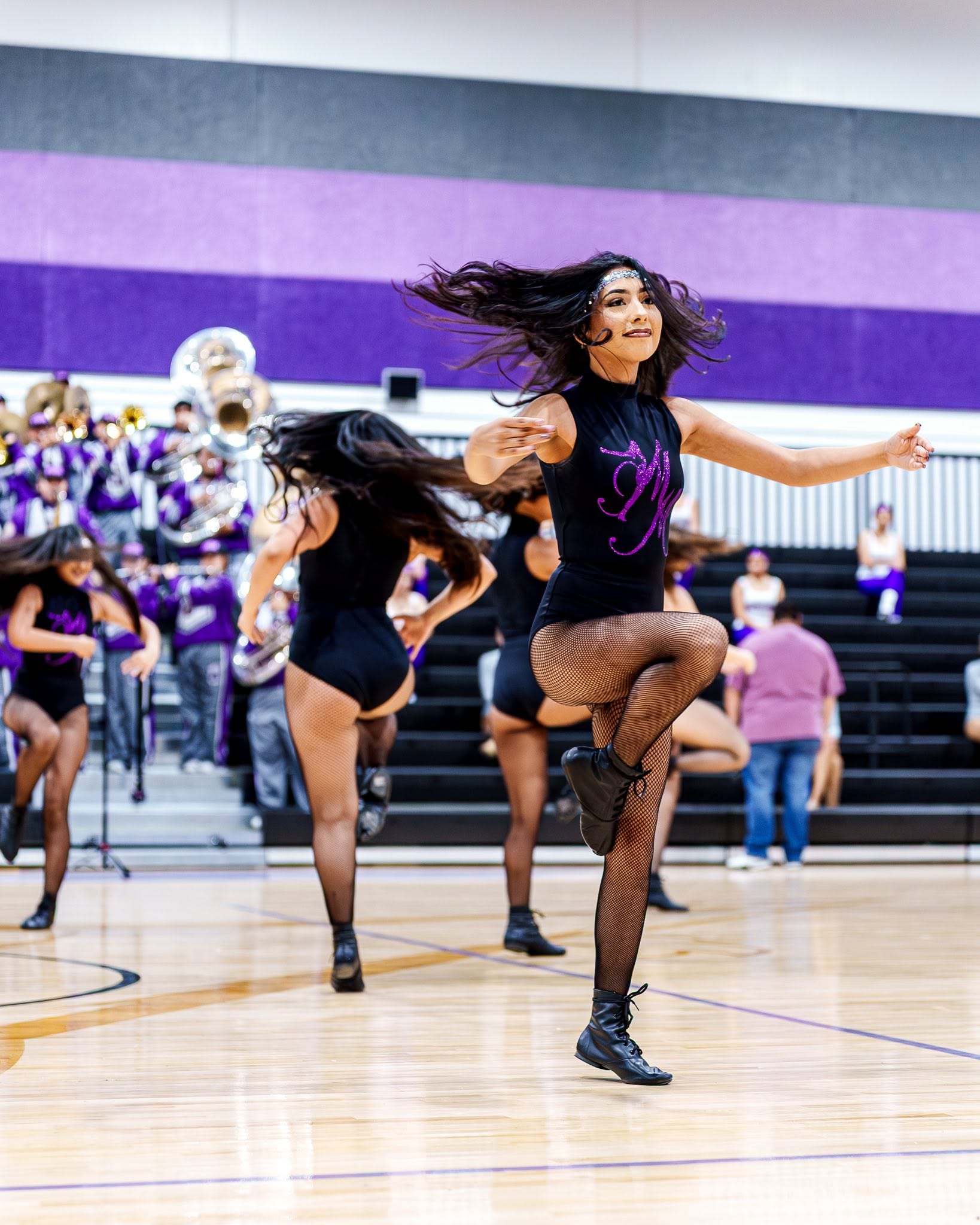
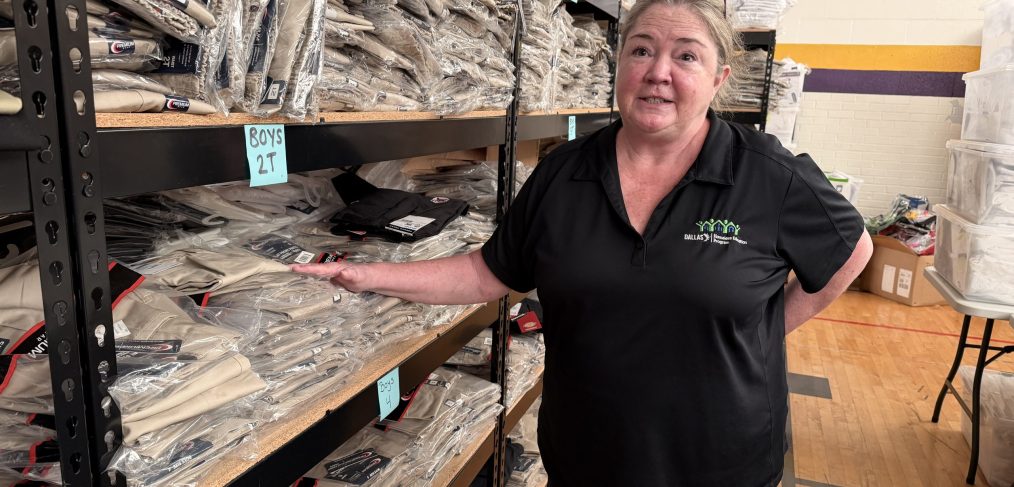
 At the high school level, the program’s presence is often felt in more subtle ways. Drop‑in centers on campuses offer hygiene items, emergency snacks, and a place to vent. Guest speakers explain how to manage money or navigate college applications. Mentors meet with students who might not even use the word “homeless” to describe their living situation, especially those “sofa surfing” with friends after parents have been deported or pushed out of housing.
 Stories like that keep the team moving, even when the work spills into nights and weekends, or their personal time, like when a call came in as Marshall was about to board a ship overseas.. It also shapes how she wants the public to see the students she serves.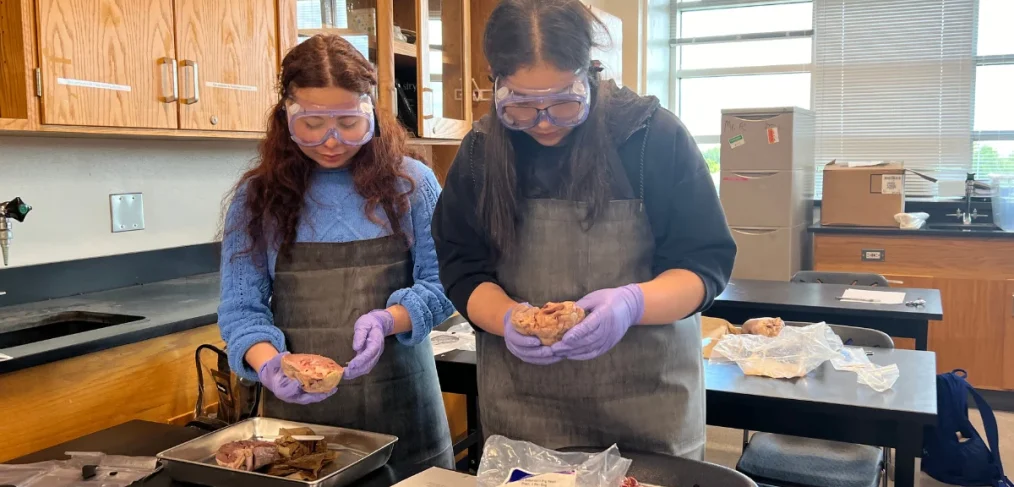
 over a pig’s heart, sliding gloved fingers inside to see how blood once moved through it. These teen prospective doctors gathered at Hillcrest High School and South Oak Cliff high schools this summer for a practical look into the medical field.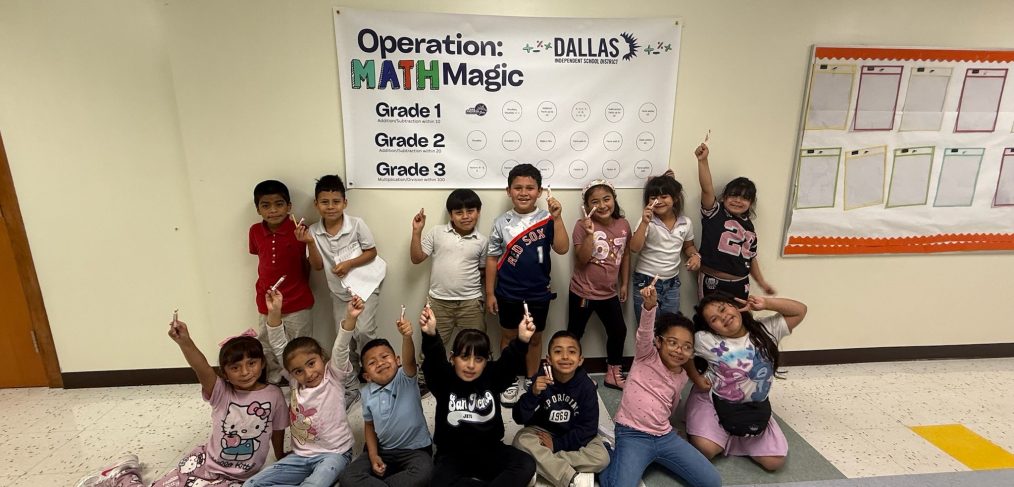
 “The schools that showed the most success,” Daffern explained, “were the ones that had someone who was taking charge and organizing things.”
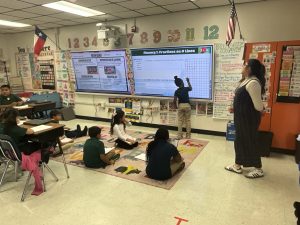 That emphasis on patterns is intentional. Without it, Daffern worries students are just “randomly memorizing things that have no context.” With it, they gain mental shortcuts that free their brains to handle richer problem-solving.
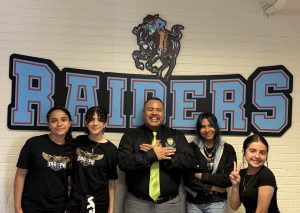 He received training and mentorship from Evan Gilbert of the Dallas Urban Debate Alliance, learned the mechanics, and then started experimenting. He recruited students, looking for three things: analysis, argument writing, and delivery.

 “When creating an ideal environment for students, we know that every student is different,” Johnson said. “Extracurricular activities provide another layer of mentorship and guidance. These programs are about building relationships and helping students commit to excellence. Strong academics become a natural byproduct because students have multiple layers of people holding them accountable.”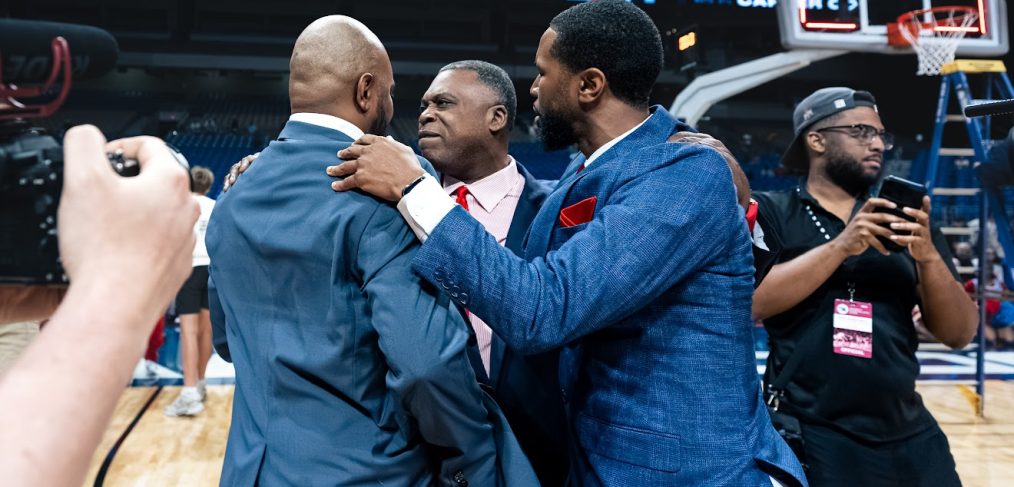
 The shot shifted the game in Carter’s favor as the Cowboys took the lead, sparking a run that secured them the game and moved them one step closer to the school’s first state championship.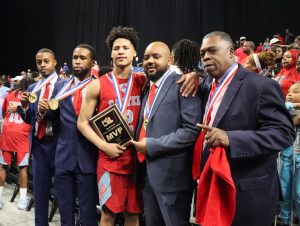

 “They said, ‘If this is all about learning, then you can learn with us. Let’s do it together,’” Cortez said. “That stopped me. They weren’t asking for an easy path. They were asking for a chance.”
 For Cortez, the awards matter less than what happens in the classroom and practice space. She talks about students bent over laptops, adjusting code line by line, or nudging drones into precise positions so a program will run correctly in a gym full of air vents and moving people.