
Long ago, in a remote village, a dragon forgot how to fly. Normally, a grounded dragon wouldn’t be a problem for the villagers—but this one was the creator of the world’s winds. After a fierce battle with a rival, the amnesiac dragon must rely on a wizard mind keeper and a memory box—a wind‑up model showing the dragon in its former glory—to remember how air once glided through his wings. This is the kind of plot you’d expect from a fantasy novel, but at Julius Dorsey Leadership Academy, it’s part of a competitive, project‑based learning program. 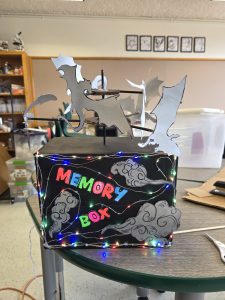
Under the guidance of gifted and talented teacher Zugey Morin, the cohort in Destination Imagination dreamed up the story to investigate the physics of flight, resilience, and memory.
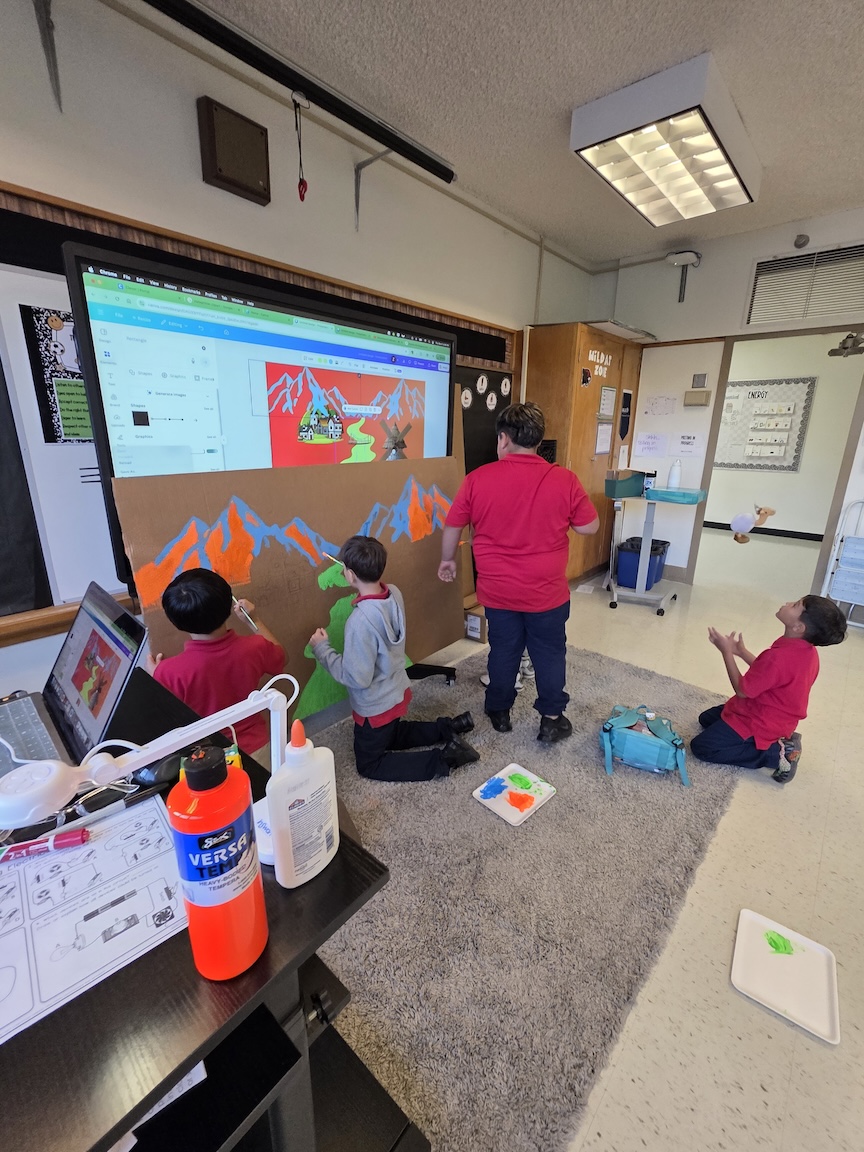
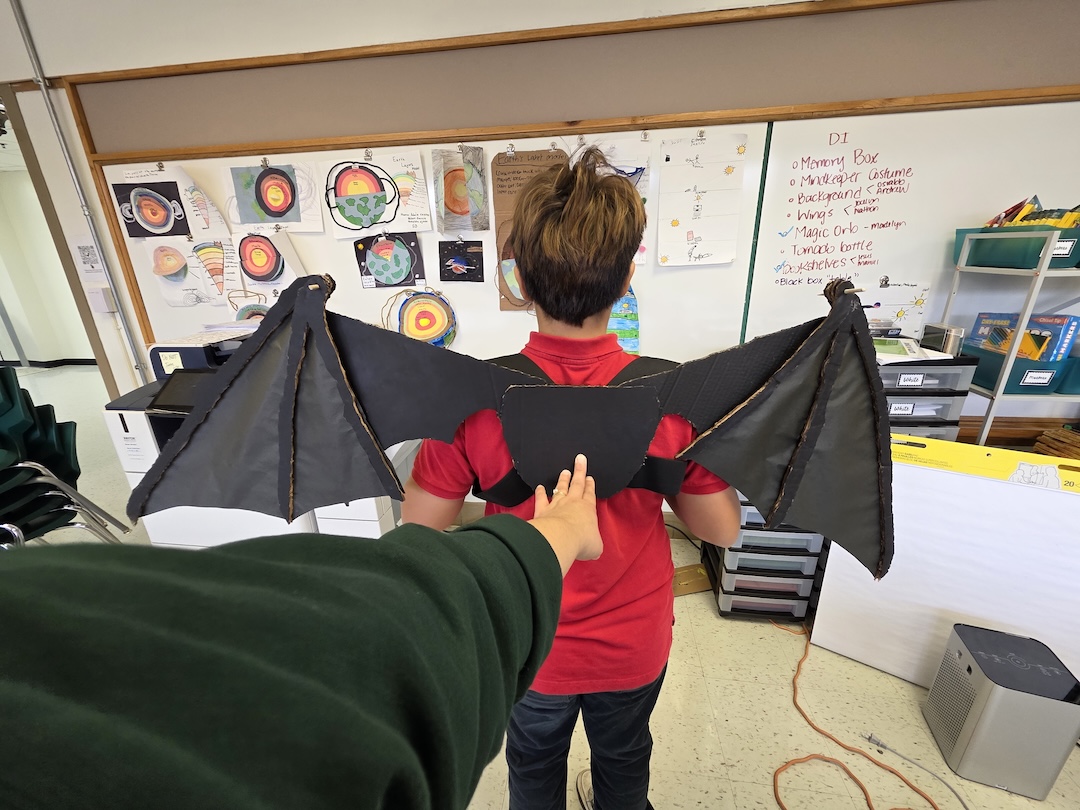
To explore a deceptively simple question—how can a heavy creature propel itself upward and remain suspended in the air—students had to think like engineers.They built mechanical wings and a gear box that could move the dragon in stages. When the dragon finally takes off across the stage, purple lights flip on, a neon backdrop glows, and the clouds roll away as wind returns to the village.
For Morin, this challenge illustrates what happens when students are trusted to think, build, and imagine for themselves.
“I don’t teach them like a sage on stage,” Morin said. “It’s more of guiding on the side.”
She does this by asking questions: What do you want the audience to see? How could you show flight without just acting it out? How do you turn a theme—forgetting and remembering—into mechanisms and motion?
That belief in student agency has roots in her own story. A Moisés E. Molina High School graduate, Morin studied economics with a minor in business administration and worked in the corporate world before switching careers.
“I realized I could be doing something a little bit more meaningful,” Morin said.
As a child, she would even persuade her brother and sister to “play students,” printing out pages on Egyptian culture and mythology so she could “teach” them. Teaching, she said, always felt inevitable.
Through Dallas ISD’s alternative certification program, Morin started at Eladio R. Martinez Learning Center then went to John F. Peeler Elementary School, where she also served as an instructional coach and demo teacher. Eventually, she was recruited to Julius Dorsey, where she has now been for three years. There, she teaches gifted and talented students and science and leads the Destination Imagination team.
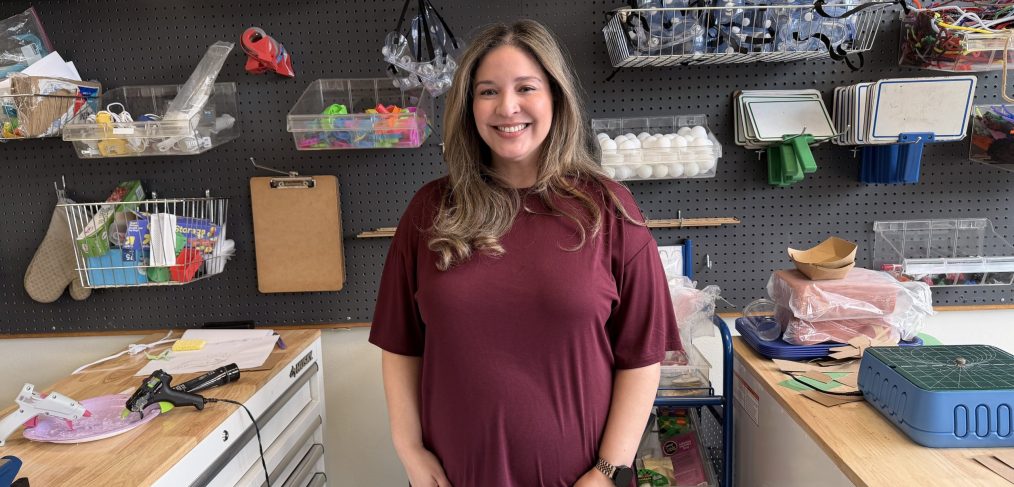
Her classroom, the Imaginarium, funded through a makeover grant from United to Learn and Stemscapes, looks less like a traditional room and more like a compact workshop. Pegboards display tools; drawers and benches hold materials; a hot glue station, “chomp saw” station, and 3D printers line the walls. Everything is out in the open on purpose.
“It’s hard to be inventive when you don’t know your tools or how to use them,” Morin said. “Visible materials—foam balls, cardboard rolls, pipe cleaners—start spinning the wheel for the students.”
Letting students roam that space means ceding some control. Morin acknowledges that “a lot of adults have a hard time letting go of control,” but her approach is to teach procedures and then trust students.
“If you teach students how to do things properly, they can be self‑sufficient,” Morin said. “My students get on the stepping stool and grab things on their own. By the end of the year, there’s no corrections needed. I’m just supervising and making sure we’re all safe.”
Her third graders, she said, have even used Tinkercad to design 3D‑printed pet shelters. Last year, they collaborated on elaborate utopian cities with residential, commercial, and green zones after reading the graphic novel adaptation of The City of Ember.
This is what makes Destination Imagination unique: it’s where the fantasy of flightless dragons meets the discipline of competition.
“It’s sort of like the Olympics of creativity,” Morin said, “where teams of kids get together to solve challenges using their imagination, teamwork, and problem-solving skills.”
Teams work on a central challenge for months and then face a surprise “instant challenge” on tournament day. This year, Morin’s team placed third at regionals. Only the top two teams advanced, but her students were already looking ahead.
“Okay, we lost, but that’s all right because we are going to do better next year,” Morin said. That impulse to adjust and try again is exactly the kind of resilience she hopes to cultivate.
Above all, Morin wants her students to leave with a sense that learning can feel magical without losing its rigor.
“I want my students to feel empowered to use their imagination and creativity to problem-solve and simply be,” Morin said. “I want them to feel that learning was fun, and that they had a great time because it didn’t feel like work.”
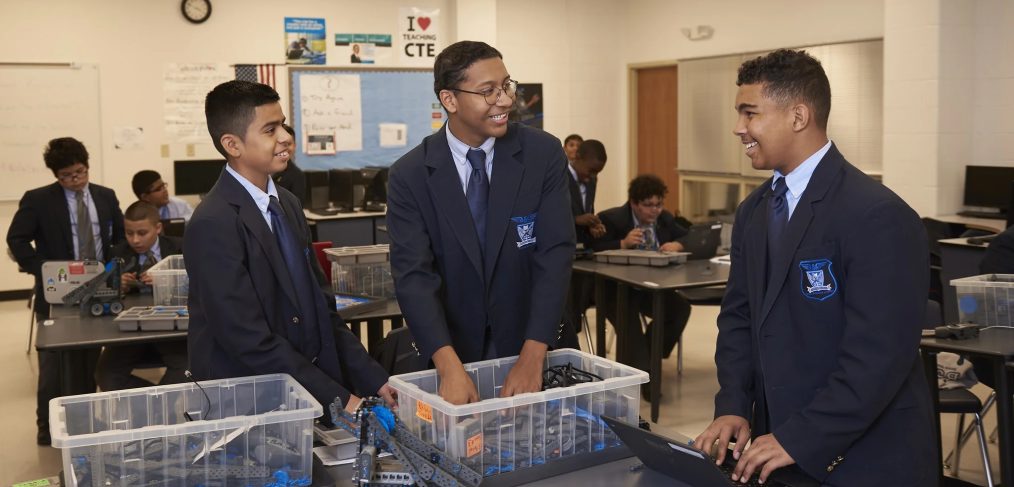
 Javier V. and Caleb J.carried the school’s legacy of debate excellence onto the national stage, recently earning second place at the National Association of Urban Debate Leagues championship. The championship brought debate teams from urban districts around the country, under one roof.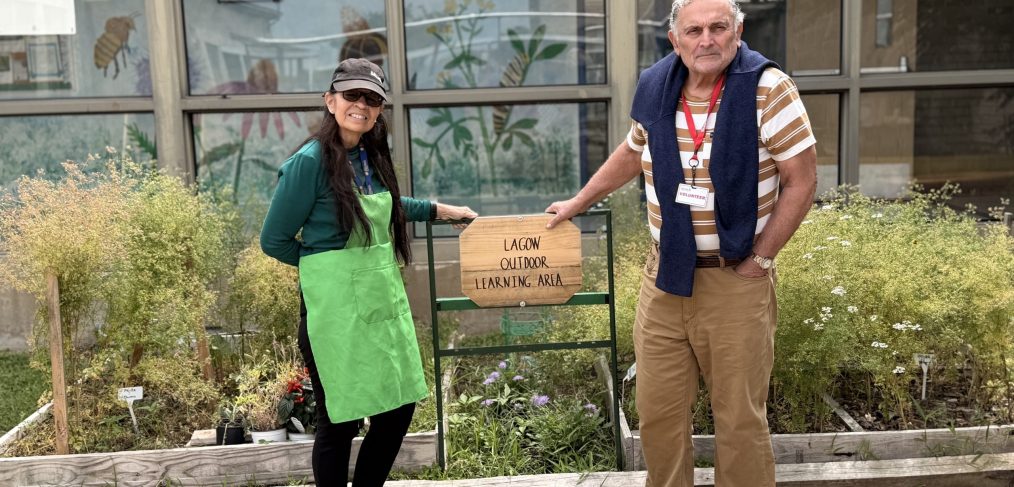
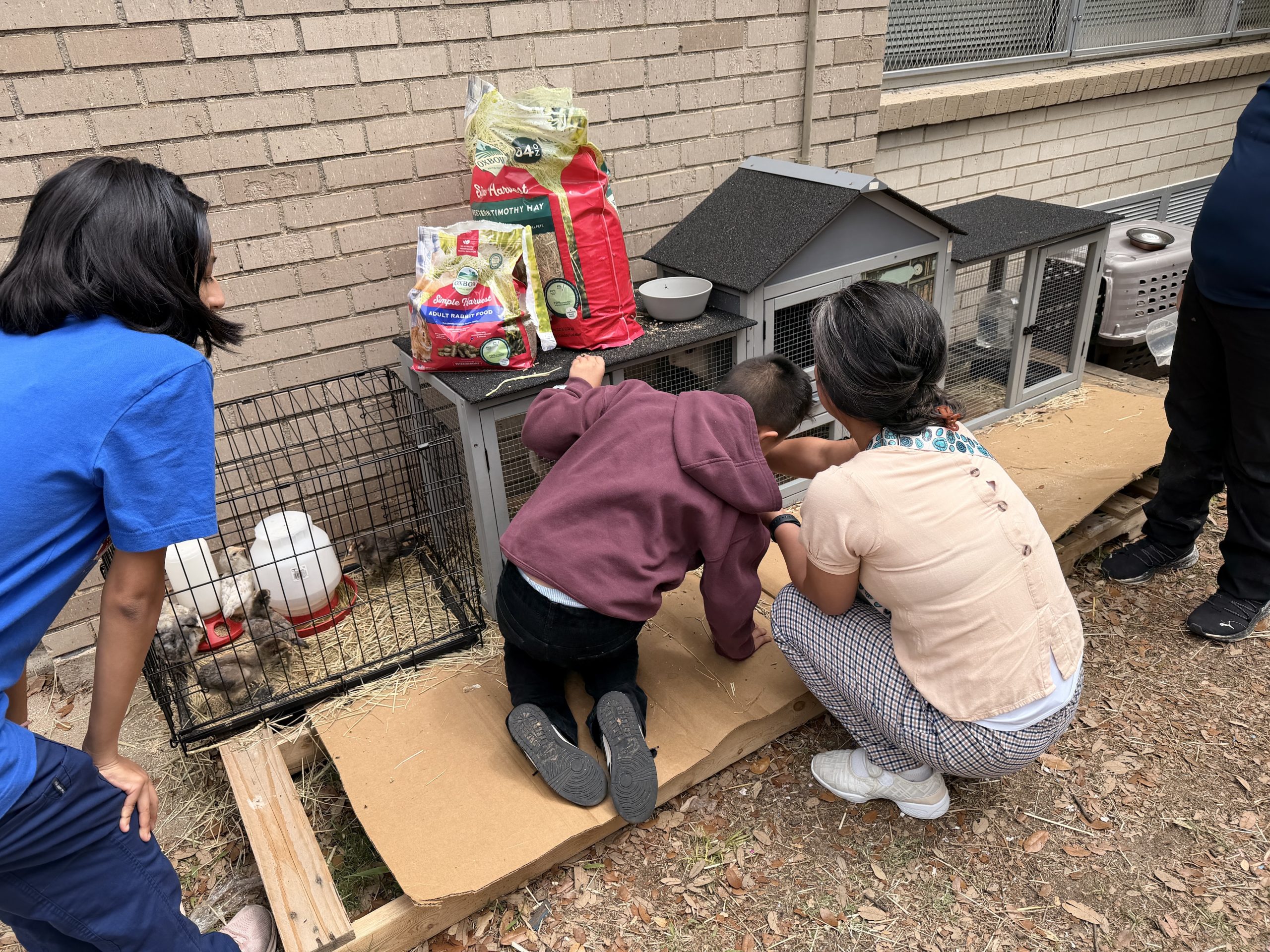
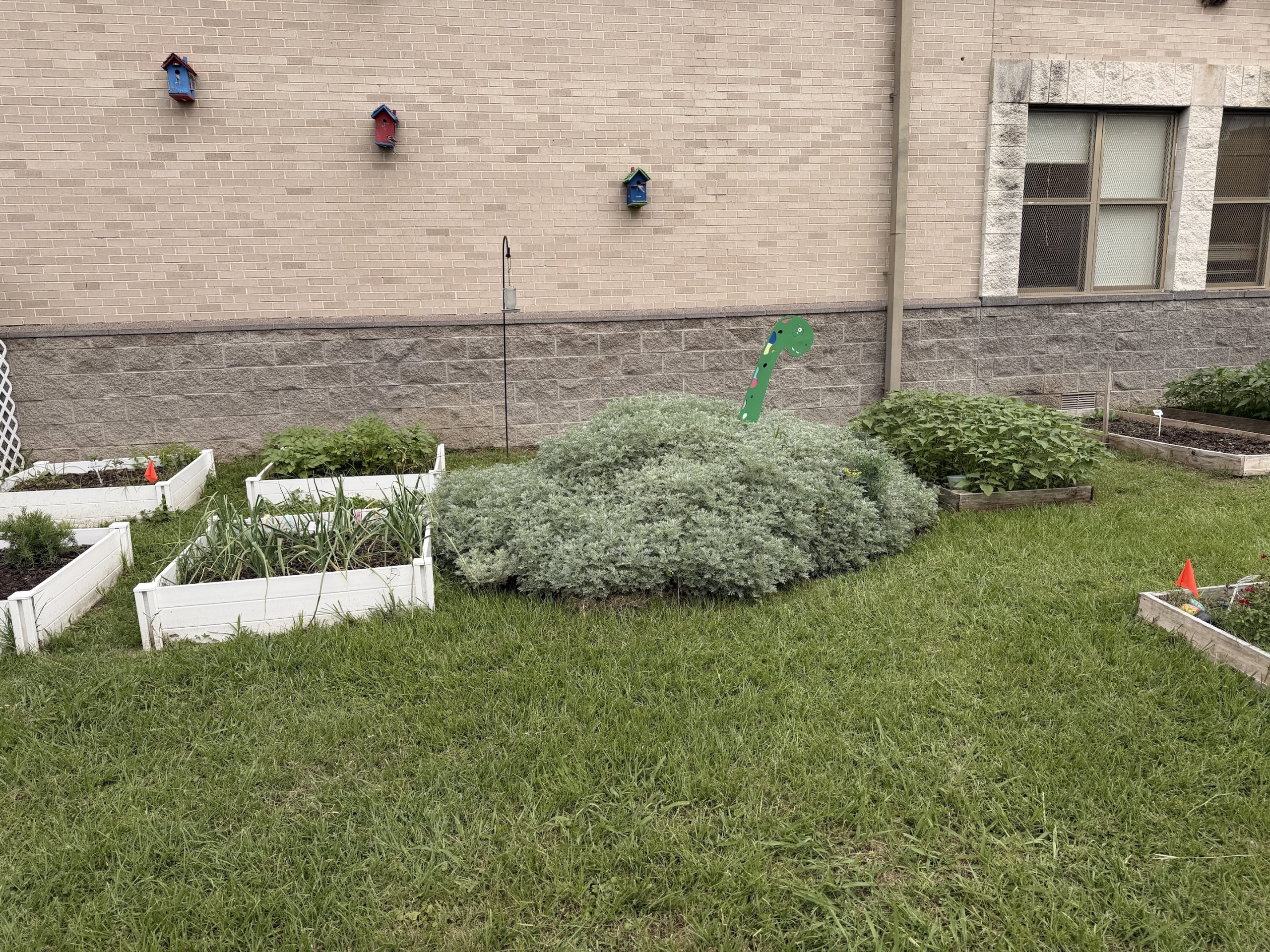
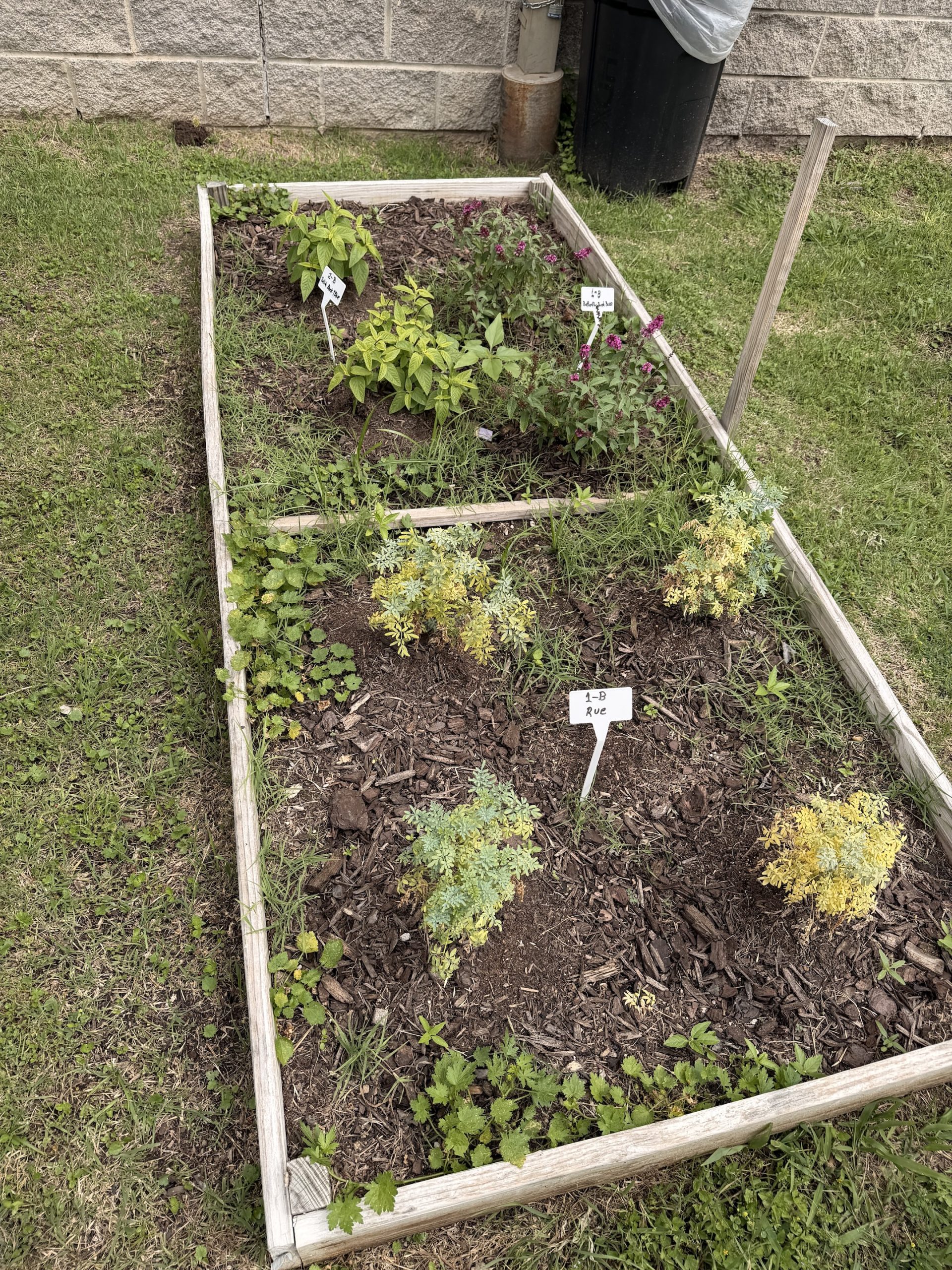
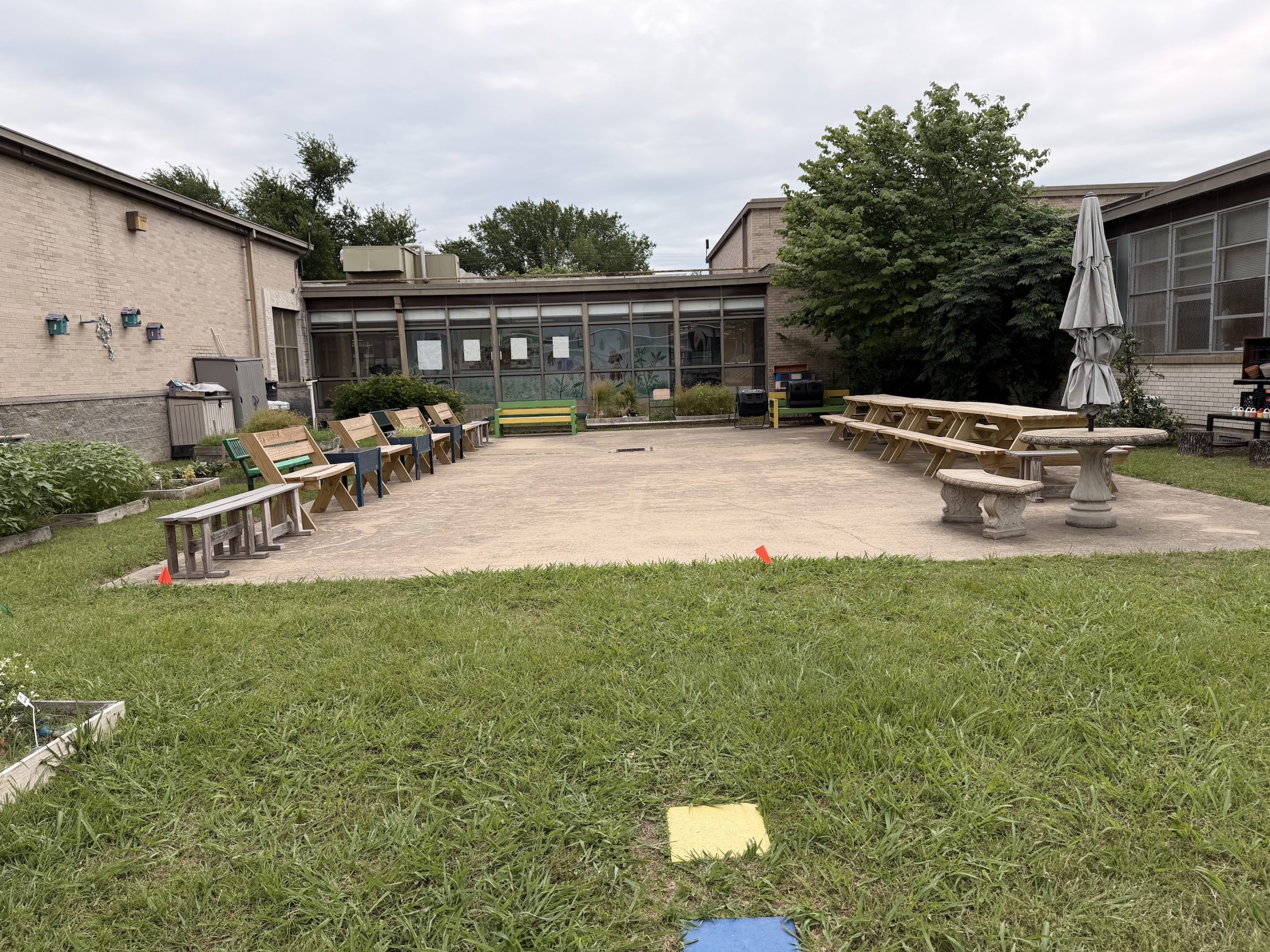
 In the courtyard of Richard Lagow Elementary School, what was once a slab of concrete used only for the occasional festival has become a vibrant garden, pollinator habitat, and community hub.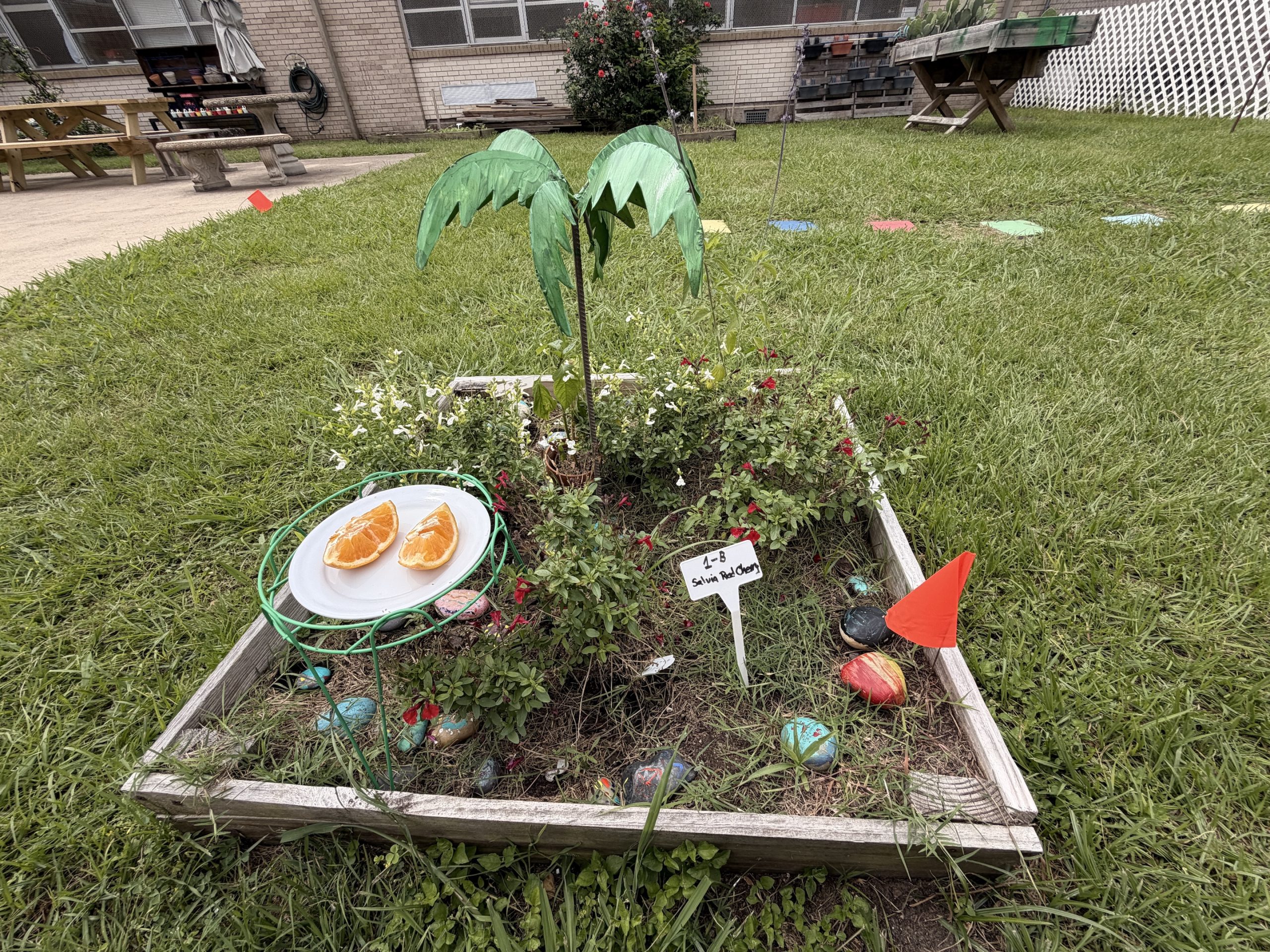


 In addition to recognizing outstanding counselors and their dedication to supporting students across the district, the 2026 Counselor of the Year Ceremony honored Robert Muñoz, who is retiring after 59 years in Dallas ISD. Muñoz has served as a counselor for 28 of those years. He was also recognized during the 2026 Salute to Service Awards for his nearly six decades as an educator in Dallas ISD.
  collaboration.
 Vick began her career with Dallas ISD 17 years ago, first serving as a history teacher at W.H. Adamson High School and later transitioning to testing coordinator at Molina High School. Driven by her passion for supporting students, she created the prom dress initiative at the school three years ago after recognizing how costly prom can be.
  Over the years, Vick has seen what a perfect dress can do to boost students’ confidence. She has given away about 30 dresses this year alone and around 150 dresses since she started. These dresses are not only for prom, but also for anyone who needs them for dinner or other school events.
 “As a department, we are able to grow and develop our own practitioners and therapists and provide them with the training they need so they can help us close reading gaps,” said Veronica Allen, director of Dyslexia Services.

 “I just followed my dad wherever he went,” Gonzalez recalled. “He would play in the Sunday leagues and eventually they signed me up. I didn’t realize there was a girls league, so I played with the boys. I was the only girl on a little Mexican boys team.”
 “I had to take classes online to keep my scholarship for soccer,” she explained. “I was living in the facility—training with my teammates, eating with them. It becomes your whole lifestyle, but it’s something that I love. I would do it all over again if I had the opportunity.”
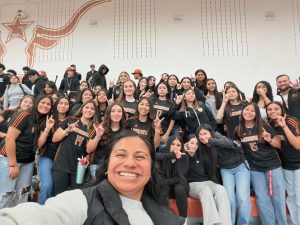 “My high school coach made the biggest difference in my life,” she said. “I wanted to give back to the community, and I knew coaching was my passion.”
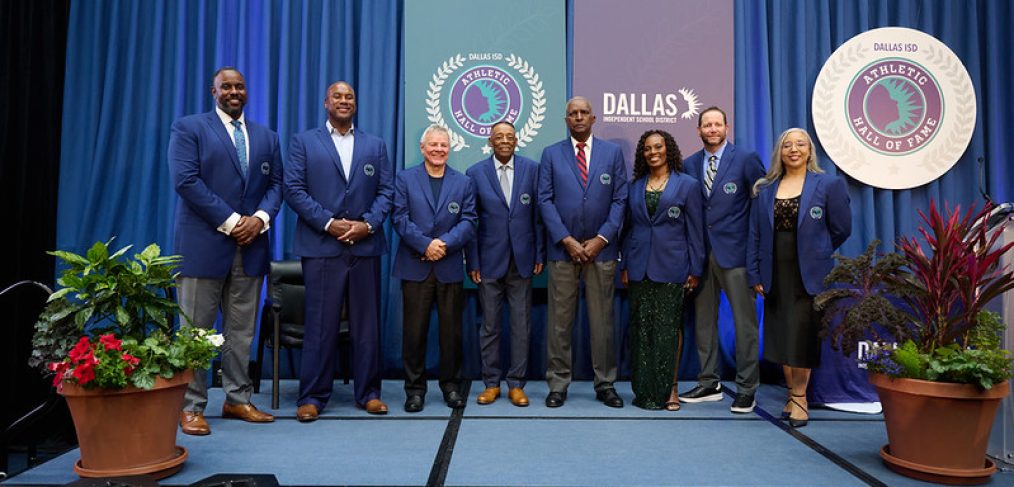
 “It is important that we are honoring tonight’s inductees,” said Superintendent Stephanie S. Elizalde. “I want you to know how proud we are that you will always be associated with Dallas ISD. Let their success be a beacon to everyone that you can achieve anything and know that success goes through Dallas ISD.”