Building success one relationship at a time
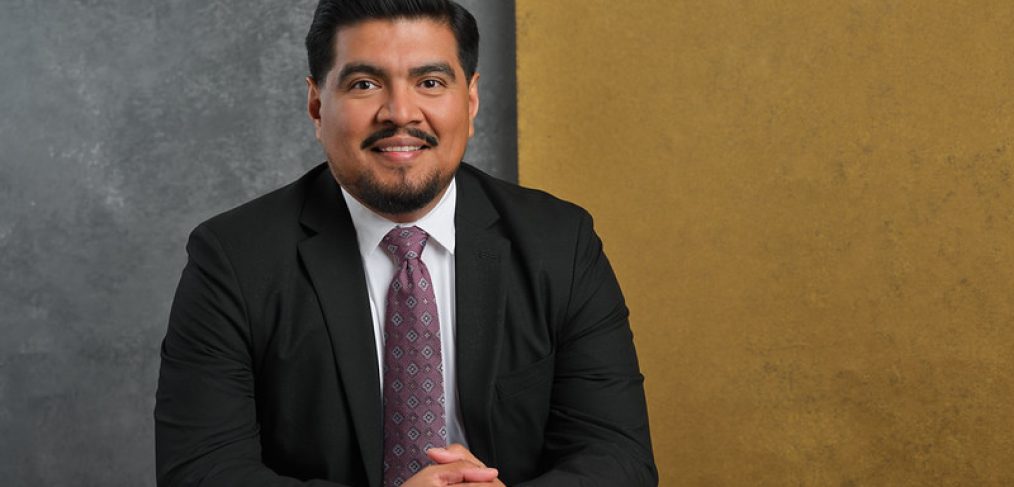
Jacinto Cabrera still remembers walking into his school, Anson Jones Elementary School, except this time it wasn’t as a sixth grader in Oak Cliff but as a new teacher. The hallways were familiar, the neighborhood unchanged in all the right ways, but what was different was his role.
“It was always a plan of mine to go into education,” said Cabrera, who is now principal of Julius Dorsey Elementary School. “Coming back, attending Skyline High School, then working in Pleasant Grove, I already knew the community. So it wasn’t nervousness. It felt like home.”
Now at Dorsey, Cabrera has shepherded the campus through years of steady growth. Under his leadership, the school has become an A-rated campus, earned five out of six TEA distinctions, and seen a 10 percent jump in reading proficiency. News about the school’s success has spread, attracting new parents who often arrive after hearing about Dorsey from a friend or relative, which has led the school to witness a surprising 15% rise in enrollment at a time when many schools are losing students.
“We provide a safe space for students. We have an extraordinary team here, and our families love to promote that,” Cabrera remarked.
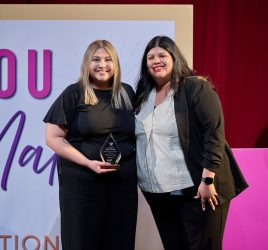
This past May, at the State of the District, Cabrera was named Elementary Principal of the Year. He insists the award does not belong to him alone.
“When they said my name, I was glad that Julius Dorsey was getting that kind of recognition,” Cabrera said. “It’s not an award that recognizes the principal. It’s a recognition of the team the principal works with.”
When Cabrera says “team,” he means everyone. He lists cafeteria staff, custodians, paraprofessionals, teachers, and administrators as part of the same effort. He also credits the families who entrust their children to the school and talk about Dorsey in their own social circles.
“We kind of keep to ourselves, and our families do a lot of the promoting,” Cabrera said.
Cabrera’s view of school is shaped by his own upbringing. His parents migrated from San Luis Potosí, Mexico, and he grew up in Oak Cliff before attending the architecture program at Skyline High School. His father, he said, never gave long speeches about success, but he repeated one idea until it took root.
“My dad always instilled in my mind to be the best,” Cabrera said. “Looking back, it wasn’t in comparison to others, but to be the best version of myself.”
That message followed him from kindergarten (where he still remembers teachers by name) through his time at the University of North Texas, and into his years in the classroom and then administration. It also shapes how he thinks about his students at Dorsey.
Cabrera leads with data but not in the abstract. On his spreadsheets, each student’s name is paired with a photograph.
“I’m data-driven,” Cabrera admitted. “Part of the data is looking at numbers on a screen, but knowing that behind those numbers there’s a student, there’s a classroom, there’s a teacher.”
The pictures help him connect what he sees on his laptop to the child he’ll see later that morning.
“I want to make that connection to who the student is when I go into a classroom,” he said.
That same impulse explains his morning ritual. Cabrera walks the halls every day to greet students by name and to check in with teachers, pausing where he senses something is off.
“As the principal, you have the responsibility of every person on this campus, especially the students,” Cabrera said. He stops to ask teachers how their day is going and what they need. He keeps a mental list of students who might need extra encouragement that day. Sometimes that means pulling a child out of class for a brief walk, a quick talk, or just a check on whether they ate breakfast.
“Walking around is kind of measuring the climate of the campus,” Cabrera said. He wants the students who struggle and the ones who rarely speak up to feel seen. Even learning a name and using it a week later matters.
“They’ll nod their head, like, ‘You remembered my name,’” he said.
Inside classrooms, Cabrera leans on what he calls a team mindset. Newer teachers are paired intentionally with experienced mentors in nearby grades, and support comes not just from one assigned colleague but from the wider group. He is blunt about the stakes.
“You see the sense of urgency,” Cabrera said, thinking back to his time working with early college and P-TECH pathways. “If we don’t address students’ challenges here at the elementary level, they’re going to struggle later on.”
Still, he is careful not to let urgency become pressure that crushes teachers. He returns often to the idea that “the work is the work”—challenging by nature, but meaningful. Systems, strong instruction from prekindergarten onward, and relationships, he said, protect teachers from burnout more than any slogan ever could.
“The greatest gift you can give a fifth-grade teacher is a great fourth-grade teacher,” Cabrera said. “The greatest gift you can give a fourth-grade teacher is a great third-grade teacher.”
When the foundation is strong, fifth-grade teachers can push students beyond grade level instead of playing catch up.
If there is a single thread running through Cabrera’s story, it is relationships—deliberate, patient, and hard-won. He acknowledges that building trust with every parent, student, and staff member takes time and effort, especially when there are concerns or conflict. But he keeps returning to it as the heart of the job.
“You become better at the role when you build relationships,” Cabrera said. “When you have relationships, you know it’s a team effort. It’s not one person running this school.”